Next Event | Prochain Événement

Pecha Kucha

April 27th, 2022 | 27 Avril 2022 19:00Networking opportunity | Opportunité de réseautage 18:30

Nuit Pecha Kucha Night

Bilingual Webinar | Webinaire bilingue(Bilingual Q&A Bilingue)

Pecha Kucha

Pecha Kucha, Japanese for chit chat, began in Tokyo in 2003 (Conceived by Astrid Klein and Mark Dytham). To keep speakers from droning on and on, the presentation must contain only 20 slides and each is shown for 20 seconds: a total of exactly 6 minutes and 40 seconds.😁 We offer the following three presentations:

  1. A Pecha Kucha on the History of Quality by Craig Plain — From Cavemen to Kaizen: How Quality has Evolved over Time.
  2. Using difference for continual improvement by Ruth Stanley — How do we use notions of difference to achieve continual improvement?
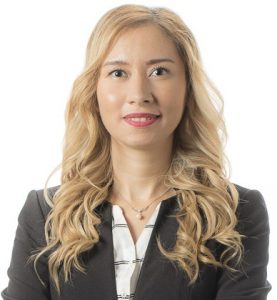
  3. Computer security: how to find your way around! (In French) by Chantale Farley with Paul Beaudoin — With the development of technology, the risks related to cyber threats have increased significantly and organizations must be more vigilant about cyber security.

About our speakers:

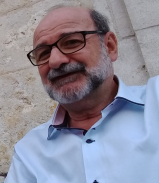
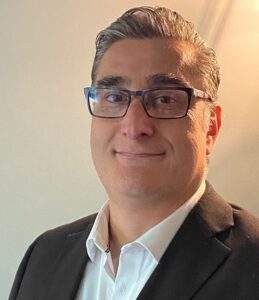
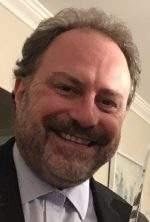
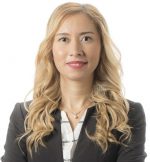
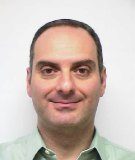
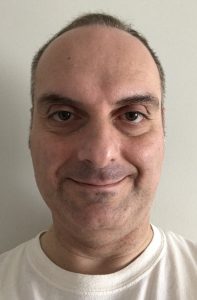
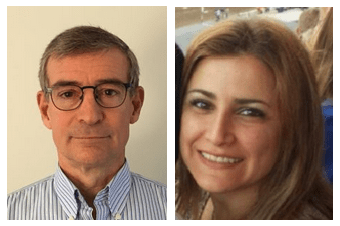
  1. Craig Plain, Ph.D.: A Lean Six Sigma Black Belt, an award-winning Speaker, a Shingo Prize Winner, a retired Lieutenant Colonel, and an avid reader. Doc has over 20 years of process improvement experience having facilitated over 200 improvement events for General Electric, US Air Force, US Navy, Kaiser Permanente, DaVita, and more. He’s led process improvement programs for international companies and organizations up to 74,000 people. He shares his knowledge and experience by teaching at both Graduate and Undergraduate programs. Doc’s been a keynote speaker, given Ignite Talks, and has presented at numerous conferences and seminars..
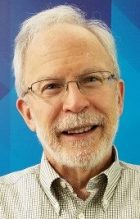
  2. Ruth Stanley: A former Regional Director for ASQ Canada and Greenland Region and a retired public servant with the Federal Government. Ruth has over 30 years’ experience in Quality and excellence frameworks. She is now Founder of Boann Consulting and an author, presenter and facilitator.
  3. Paul Beaudoin: Regional Sales Manager, NQA Canada. Since the late 90's, Paul has been responsible for business development for various Certification Bodies in Canada. Integrity and customer satisfaction are at the heart of his daily work.
  4. Chantale Farley: Auditor and Consultant, has been actively involved in the certification field for over 20 years, wearing many hats, from market development, operations, resource recruitment, retention and as an ISO 9001 lead auditor.

Join-us !

(Above photo by Rob Roberts, NASA)

Le Pecha Kucha, japonais désignant le bavardage, est né à Tokyo en 2003 (conçu par Astrid Klein et Mark Dytham). Afin d'éviter que les orateurs ne s'éternisent, une présentation ne peut contenir que 20 diapositives et chaque diapositive est exposée 20 secondes: au total exactement 6 minutes et 40 secondes.😁

Nous vous offrons les trois présentations suivantes:

  1. Un Pecha Kucha sur l'histoire de la qualité (en anglais) par Craig Plain — Des hommes des cavernes au Kaizen: Comment la qualité a évolué au fil du temps.
  2. Utiliser la différence pour l'amélioration continue (en anglais) par Ruth Stanley — Comment utiliser les notions de différence pour atteindre l'amélioration continue ?
  3. Sécurité informatique: comment s’y retrouver! par Chantale Farley avec Paul Beaudoin — Avec le développement de la technologie, les risques liés aux cybermenaces ont augmenté significativement et les organisations doivent faire preuve d’une vigilance accrue en matière de cybersécurité.

Au sujet de nos conférenciers:

  1. Craig Plain, Ph.D.: Une ceinture noire Lean Six Sigma, un conférencier primé, un lauréat du prix Shingo, un lieutenant-colonel à la retraite et un lecteur passionné. Doc a plus de 20 ans d'expérience dans l'amélioration des processus, ayant facilité plus de 200 événements d'amélioration pour General Electric, l'US Air Force, l'US Navy, Kaiser Permanente, DaVita, et plus encore. Il a dirigé des programmes d'amélioration des processus pour des entreprises internationales et des organisations comptant jusqu'à 74 000 personnes. Il partage ses connaissances et son expérience en enseignant dans des programmes d'études supérieures et de premier cycle. Il a été conférencier d'honneur, a donné des conférences Ignite et a participé à de nombreux séminaires et conférences.
  2. Ruth Stanley: Ancienne directrice régionale d'ASQ Canada et région du Groenland et une fonctionnaire retraitée du gouvernement fédéral. Ruth a plus de 30 ans d'expérience dans le domaine de la qualité et des cadres d'excellence. Elle est maintenant fondatrice de Boann Consulting et auteur, présentatrice et animatrice.
  3. Paul Beaudoin: Directeur Régional des ventes, NQA Canada. Depuis la fin des années 90, Paul est responsable du développement des affaires pour différents Organismes de Certification au Canada. L’intégrité et la satisfaction de la clientèle sont au cœur de son quotidien.
  4. Chantale Farley: Auditeur et Consultante, Chantale est activement impliquée dans le domaine de la certification depuis plus de 20 ans, portant plusieurs chapeaux, du développement du marché, des opérations, du recrutement des ressources, de la rétention et en tant qu’auditrice principale ISO 9001.

Rejoignez-nous!

(Photo ci-dessus par Rob Roberts, NASA)

Your participation will be worth 0.5 ASQ RU (Recertification Units).
Votre participation vaut 0.5 RU (Recertification Units) de l'ASQ.

For more information on this upcoming event, see our Newsletter, or myASQ.

Next Event | Prochain Événement Read More »

Word from the Chair | Mot du président

Raymond Dyer

Raymond DyerBy Raymond E. Dyer (Ray), ASQ Senior Member, CMQ/OE, & CQA (un texte en français suit)

How much information can you digest? Information comes from all kinds of sources: conversations, presentations, books, newspapers, magazines, television newscasts, emails, electronic newsletters, blogs, podcasts, and social media postings. In today’s world, we’re constantly bombarded, Quality professionals included, with all kinds of information, on all kinds of topics, using all kinds of media. The senders, ourselves included, often think, or at least hope, it’s important. The challenge is that more and more topics are being seen as important to share: the environment, climate change, conflicts, pandemics, human rights, the economy, etc. Furthermore, more and more individuals feel empowered to share their version of what they feel is important. Technology has gone a long way to enable this.

The sad part is that there is no guarantee the information is important, relevant, and/or even true. So how does one on the receiving end of all this information flow capture the essence of what’s important, relevant, and true? How does one stop wasting time on nonvalue added information and filter for use the useful and constructive information or, as Dr. Joseph Juran would say, “separate the vital few from the trivial many”?

Standard Quality tools like statistics and charting don’t really address this very human process of managing volumes of information. While technologies like artificial intelligence (AI) and machine learning (ML) might help treat digital information, most humans still rely on critical thinking capabilities and selective attention. Over time, we determine which sources are delivering the reliable, value adding information we need and eventually cut out those that don’t.

So why raise this? Because I’m painfully aware that our ASQ section is competing with these other information sources for your attention and would like to ensure our newsletters, website and social media postings, and events are seen as delivering reliable, value adding information for the Quality professional. If it’s not, I’d like to hear from you and have you share with us what you’d consider does add value to our profession. Thanks!


Quelle quantité d’informations pouvez-vous digérer? L’information provient de toutes sortes de sources: conversations, présentations, livres, journaux, magazines, journaux télévisés, courriels, bulletins d’information électroniques, blogs, podcasts et publications sur les médias sociaux. Dans le monde d’aujourd’hui, nous sommes constamment bombardés, y compris les professionnels de la qualité, par toutes sortes d’informations, sur toutes sortes de sujets, en utilisant toutes sortes de médias. Les expéditeurs, dont nous faisons partie, pensent souvent, ou du moins espèrent, que ces informations sont importantes. Le problème est que de plus en plus de sujets sont considérés comme importants à partager: l’environnement, le changement climatique, les conflits, les pandémies, les droits de l’homme, l’économie, etc. En outre, de plus en plus d’individus se sentent autorisés à partager leur version de ce qu’ils jugent important. La technologie a largement contribué à cette évolution.

Le plus triste, c’est qu’il n’y a aucune garantie que l’information soit importante, pertinente et/ou même vraie. Alors, comment faire pour que la personne qui reçoit tout ce flux d’informations puisse saisir l’essence de ce qui est important, pertinent et vrai? Comment arrêter de perdre du temps avec des informations sans valeur ajoutée et filtrer, pour les utiliser, les informations utiles et constructives ou, comme le dirait le Dr. Joseph Juran, “séparer les quelques informations vitales des nombreuses informations insignifiantes”?

Les outils de qualité standard, comme les statistiques et les graphiques, n’abordent pas vraiment ce processus très humain de gestion des volumes d’informations. Si des technologies comme l’intelligence artificielle (IA) et l’apprentissage automatique (ML) peuvent aider à traiter l’information numérique, la plupart des humains s’appuient toujours sur des capacités de réflexion critique et une attention sélective. Au fil du temps, nous déterminons quelles sources fournissent les informations fiables et à valeur ajoutée dont nous avons besoin et finissons par éliminer celles qui ne le font pas.

Alors pourquoi soulever cette question? Parce que je suis douloureusement conscient que notre section ASQ est en concurrence avec ces autres sources d’information pour attirer votre attention et je voudrais m’assurer que nos bulletins d’information, notre site Web, nos publications sur les médias sociaux et nos événements sont considérés comme fournissant des informations fiables et à valeur ajoutée pour les professionnels de la qualité. Si ce n’est pas le cas, j’aimerais que vous nous fassiez part de ce que vous considérez comme une valeur ajoutée pour notre profession. Merci!

Send me your comments / Envoyez-moi vos commentaires

Word from the Chair | Mot du président Read More »

World Conference on Quality & Improvement (May 15-18, 2022)

Michael Bournazian

By Michael Bournazian, Eng., Newsletter Editor, ASQ Senior Member, Quality Management Professional, CSSGB

Just a reminder that the ASQ WCQI for 2022 is coming up next month! The event will be taking place this year in Anaheim, California from May 15-18, 2022, although it is being billed as a “Hybrid” event.

CLICK HERE to get more information and register.

World Conference on Quality & Improvement (May 15-18, 2022) Read More »

On Being a Member Leader | Être un membre de direction

JP Amiel

By Jean-Pierre Amiel, ASQ Senior, CQA ret., Secretary, Web committee Chair and Audit Chair.
ASQ member since 1977, of the Leadership Team on/off for more than 40 years and still enjoying it.
Membre d’ASQ depuis 1977, de l’équipe de direction depuis plus de 40 ans et je m’y plait toujours.

Why become a Member Leader?
What are the benefits?
Pourquoi devenir un membre leader?
Quels sont les bénéfices?
How’s about a new kind of experience?
Your ASQ Section offers great opportunities to meet others like you, to exchange on various topics and, especially, learn about what is going on in the quality field in your area and around the world.
Que diriez-vous d’un nouveau type d’expérience?
Votre section de l’ASQ offre de belles opportunités de rencontrer d’autres personnes comme vous, d’échanger sur des sujets variés et, surtout, d’apprendre ce qui se passe dans le domaine de la qualité dans votre région et dans le monde.
How would you do that? Well you could attend some of our events – We organize presentations, company tours, panel discussions and even networking events. Comment le feriez-vous? Vous pourriez assister à certains de nos événements – Nous organisons des présentations, des visites d’entreprises, des discussions de groupe et même des événements de réseautage.

Wanted: Brain Juice!!

Recherché : Jus de cerveau!!

Not enough? Why not tell us what you would like to see or even better, why not participate in making them happen. We have been around for more than 72 years (!!!), and it’s not because of our good looks (Okay, it helps). But really, it’s because we have always had individuals, like yourself, who wanted to learn and to teach and brought their commitment and energy to fruition in our development. Cela ne vous suffit pas? Pourquoi ne pas nous dire ce que vous aimeriez voir ou, mieux encore, pourquoi ne pas participer à leur réalisation? Nous existons depuis plus de 72 ans (!!!), et ce n’est pas grâce à notre bonne mine (d’accord, ça aide). Mais en réalité, c’est parce que nous avons toujours eu des individus, comme vous, qui voulaient apprendre et enseigner et qui ont fait fructifier leur engagement et leur énergie dans notre développement.
♦ Learn: Because other members, like you, have been working in the quality fields for years and they may have already found solutions or developed tools to your problems or situations, or they may know someone or something to handle it. You will learn to communicate with your peers, develop organizing skills, put into practice new tools, bring ideas, develop and defend them and maybe see them through development and fruition.
♦ Teach: That’s what you give us: Your freshness, ideas, experiences and time. You offer us this opportunity to promote, enhance and continue our legacy. The wise ones say, you learn from teaching (true?). We don’t know everything, but we are sure open to learn.
♦ Apprendre: Parce que d’autres membres, comme vous, travaillent dans les domaines de la qualité depuis des années et qu’ils ont peut-être déjà trouvé des solutions ou développé des outils pour vos problèmes ou situations, ou qu’ils connaissent quelqu’un ou quelque chose pour y faire face. Vous apprendrez à communiquer avec vos pairs, à développer des compétences d’organisation, à mettre en pratique de nouveaux outils, à apporter des idées, à les développer et à les défendre et peut-être à les voir se développer et se réaliser.
♦ Enseigner: C’est ce que vous nous donnez: votre fraîcheur, idées, expériences et temps. Vous nous offrez cette opportunité de promouvoir, d’améliorer et de poursuivre notre héritage. Les sages le disent, on apprend en enseignant (vrai?). Nous ne savons pas tout, mais nous sommes certainement ouverts à l’apprentissage.
Ready to enroll?

• What problems would you solve, what would you change, or what would be your personal contribution?
• Do you have specific skills or talents that you would like to share with us?
• Are you interested in acquiring a specific skill?
• What are your personal goals?
• Do you want to re-enter the job market?
• Do you want to meet other profesionnals, make contacts or share experiences?

Prêt à vous engager?

• Quels problèmes résoudriez-vous, que changeriez-vous, ou quelle serait votre contribution personnelle?
• Avez-vous des compétences ou des talents spécifiques a partager avec nous?
• Êtes-vous intéressé par l’acquisition d’une compétence spécifique?
• Quels sont vos objectifs personnels?
• Voulez-vous réintégrer le marché du travail?
• Voulez-vous rencontrer d’autres professionels, nouer des contacts ou partager des expériences?

The Leadership Team offers various volunteering options
Meet the Section Leadership Team for yourself. There are many ways to get involved in the ASQ Montreal Section:

  • Dedicated to the advancement of Montreal Quality Professionals, the following elected individuals of the team guide and ensure the continued success of the Section: • Section Chair • Vice Chair • Secretary • Treasurer. They require some time commitment during their mandate.
  • These other positions ensure the promotion and success of Section operations, planned activities and communications with members, non-members and other sections. They may be shared and some require more time commitment than others (ex. Newsletter, Programs): • Program and Arrangements • Auditing • Certification / Recertification • Education • History of the section • Internet Liaison • Membership • Newsletter Editor • Nominations • Social Media • Student Outreach • Voice of the Customer • Web Site Committee.
L’équipe de direction offre diverses possibilités de bénévolat:
Rencontrez l’équipe de direction de la section par vous-même. Il existe de nombreuses façons de s’impliquer dans la section de Montréal de l’ASQ:

  • Dévouées à l’avancement des professionnels de la qualité de Montréal, les personnes élues suivantes de l’équipe guident et assurent le succès continu de la section: • Président-e de la section • Vice-Président-e • Secrétaire • Trésorier. Elles demandent un certain engagement en temps durant leur mandat.
  • Ces autres postes assurent la promotion et le succès des opérations de la section, des activités planifiées et des communications avec les membres, les non-membres et les autres sections. Ces fonctions peuvent être partagées entre les membres et certaines exigent plus de temps que d’autres (ex. l’infolettre, les programmes): • Programmation et logistique • Audit • Certification / Recertification • Éducation • Histoire • Liaison Internet • Adhésion des membres • Édition de l’infolettre • Nominations • Médias Sociaux • Sensibilisation des Étudiants • Voix du Client • Site Web.
Contact us Contactez-nous

On Being a Member Leader | Être un membre de direction Read More »

The Editor’s Corner | Mot de l’éditeur

Michael Bournazian

By Michael Bournazian, Eng., Newsletter Editor, ASQ Senior Member, Quality Management Professional, CSSGB

My days have been pretty busy for the past number of weeks, so you will forgive me if I have not taken any QUALITY time to think about what to write about here this month.

Did you happen to watch the QUALITY movie I recommended to you last month? If you did, I hope you enjoyed it.

Another question for you: have you signed up for our next QUALITY webinar later this month?

This will be our 6th Pecha Kucha Night event since 2014 and I will be hosting again. Myself and our speakers will do our QUALITY best to make sure the evening is entertaining and educational for everyone. If you have not yet signed up, CLICK HERE and do so.

Wow, I was worried I would have nothing of QUALITY to speak of 😉

EDITOR’S NOTE: Neither the “C” word nor the “P” word were used during the writing of this article.

**********************************************

Any feedback? Click on the link and let me know.

ALSO . . .  Please contact me or any one else on the Leadership team if you would like to:

1) Write and submit an article to be published in the Newsletter.

2) Write a review of one of the upcoming monthly webinars for the “Had You Been There” section.

Thank you, all the best and none of the worst.

The Editor’s Corner | Mot de l’éditeur Read More »

Wisdom from our Wisest — Marcel Charbonneau

Wisdom from our Wisest — Marcel Charbonneau

Eric Hosking 2021By Eric Hosking, Section Treasurer, Membership Chair, CQA, CQE, CSSBB
Texte en français ICI

Did you know that we have a number of ASQ Montreal Section members who have been with the section for more than 40 years. Four decades! What do you think they can tell us about the evolution of Quality in Quebec? What do you think they can tell us about being successful in the quality profession? What was their quality path and why have they chosen to be with the ASQ for so long?

We asked Marcel Charbonneau, who joined the ASQ 49 years ago, and he provided this fascinating story.


Wisdom from our Wisest — Marcel Charbonneau Read More »

Word from the Chair | Mot du président

Raymond Dyer

Raymond DyerBy Raymond E. Dyer (Ray), ASQ Senior Member, CMQ/OE, & CQA (un texte en français suit)

Our section’s mission statement starts with “To promote and enhance the quality profession”. I wonder how many different responses I’d get if I asked our members to describe what a Quality professional is and does.

Some might go as far back as to remind us of the “Control” part of the function that used to be in our name (remember ASQC?). Others have progressed to saying it’s more than just QI (Quality Inspection) or QC (Quality Control), it’s also QA (Quality Assurance) that plans out the QI/QC activities. Others will introduce notions that go beyond QC/QA processes and departments, and involve increasingly more employees across the organization, e.g. Quality Circles and TQM (Total Quality Management). Others yet will rely on the science of data and statistics, e.g. Quality Tools and SPC (Statistical Process Control). Some of the more recent developments that have gained momentum are those that involve an improvement model like PDCA (Plan – Do – Check – Act) or Six Sigma’s DMAIC (Define – Measure – Analyze – Improve – Control). Others will focus on methods to determine what causes issues (commonly referred to as RCA or Root Cause Analysis), while others will use techniques to assist an organization to remove non-value processes commonly referred to as waste, e.g. Lean. To many, certifying to a recognized QMS (Quality Management System) standard like ISO 9001 is a leading Quality professional activity that includes the notion of best practices and the use of the PDCA model.

The list goes on. What’s getting even more complex is that Quality professionals are expanding into other areas of management responsibility including environmental, health, safety, information security, corporate social responsibility, sustainability reporting, business continuity, etc. While many organizations have different owners for many of these processes, I can confirm that the Quality professional is often called upon to support and even lead several of these management system areas.

So what is a Quality professional and what do they do? A simple response is that a Quality professional leads and supports management processes that aim to ensure stakeholder requirements (be they contractual, standards, regulatory, etc.) are identified and met. However, the skills required and the different areas that this involves can vary greatly from one organization to the next. That’s why whenever someone asks if I know a Quality professional, I say “Yes, but what are you looking for?” I wonder what others have to say.


L’énoncé de mission de notre section commence par “Promouvoir et améliorer la profession de la qualité“. Je me demande combien de réponses différentes j’obtiendrais si je demandais à nos membres de décrire ce qu’est et ce que fait un professionnel de la qualité.

Certains pourraient aller jusqu’à nous rappeler la partie “contrôle” de la fonction qui figurait autrefois dans notre nom (vous souvenez-vous de l’ASQC?). D’autres ont progressé en disant qu’il ne s’agit pas seulement d’IQ (Inspection de la qualité) ou de CQ (Contrôle de la qualité), mais aussi d’AQ (Assurance de la qualité) qui planifie les activités IQ/CQ. D’autres encore introduiront des notions qui vont au-delà des processus et des départements de CQ/AQ, et impliquent de plus en plus d’employés dans l’ensemble de l’organisation, par exemple les cercles de qualité et la GIQ (Gestion intégrale de la qualité). D’autres encore s’appuient sur la science des données et des statistiques, par exemple les outils de qualité et le CSP (Contrôle statistique des processus). Certains des développements les plus récents qui ont pris de l’ampleur sont ceux qui impliquent un modèle d’amélioration comme le PDCA (Planifier, Réaliser (Do), Vérifier (Check) et agir) ou le DMAIC (Définir – Mesurer – Analyser – Améliorer (Improve) – Contrôler) de Six Sigma. D’autres se concentrent sur les méthodes permettant de déterminer les causes des problèmes (communément appelées RCA où Root Cause Analysis (Analyse des causes profondes)), tandis que d’autres encore utilisent des techniques pour aider une organisation à éliminer les processus sans valeur ajoutée, communément appelés gaspillages, par exemple Lean. Pour beaucoup, la certification a une norme SMQ (système de management ou gestion de la qualité) reconnue comme ISO 9001 est une activité professionnelle de premier plan en matière de qualité qui inclut la notion de meilleures pratiques et l’utilisation du modèle PDCA.

Et la liste est encore longue. Ce qui devient encore plus complexe, c’est que les professionnels de la qualité œuvrent dans d’autres domaines de responsabilité de gestion, notamment l’environnement, la santé, la sécurité, la sécurité de l’information, la responsabilité sociale de l’entreprise, les rapports de durabilité, la continuité des activités, etc. Bien que de nombreuses organisations aient des propriétaires différents pour un grand nombre de ces processus, je peux confirmer que le professionnel de la qualité est souvent appelé à soutenir et même à diriger plusieurs de ces domaines du système de gestion.

Alors, qu’est-ce qu’un professionnel de la qualité et que fait-il? Une réponse simple est qu’un professionnel de la qualité dirige et soutient les processus de gestion qui visent à garantir que les exigences des parties prenantes (qu’elles soient contractuelles, normatives, réglementaires, etc.) soient identifiés et rencontrés. Cependant, les compétences requises et les différents domaines que cela implique peuvent varier considérablement d’une organisation à l’autre. C’est pourquoi, chaque fois qu’on me demande si je connais un professionnel de la qualité, je réponds “Oui, mais qu’est-ce que vous recherchez?”. Je me demande ce que les autres ont à dire.

Send me your comments / Envoyez-moi vos commentaires

Word from the Chair | Mot du président Read More »

Benefits of Being a Member Leader | Avantages d’être un membre leader

JP Amiel

ASQ Become Member LeaderPrepared by J.P. Amiel, ASQ Senior, CQA ret.
extracted from Engaging with ASQ: Member Leaders

The ASK!
It’s always the first ask, the engagement. You ask any member leader how they got involved, it’s the ask because somebody engaged them. I find it very seldom does anybody ever say no.John Conner, ASQ Regional Director


Why should YOU become a Member Leader and what are the benefits?
Pourquoi devriez-VOUS devenir un membre leader et quels sont les avantages?

Be a leader and make a difference in
YOUR professional association
Soyez un leader et faites la différence dans
VOTRE association professionnelle
Gain important leadership skills.
Work with a people of a variety of ages and skills sets.
ASQ members range from Quality Practitioner to CEO levels.
Just starting your career? Build your resume!
ASQ has great brand recognition.
Be a Mentor!
Transitioning out of your career and into retirement.
Acquérir des compétences importantes en matière de leadership.
Travaillez avec des personnes d’âges et de compétences variés.
Les membres de l’ASQ vont du praticien de la qualité au PDG – Vous débutez votre carrière ? Construisez votre CV!
La marque ASQ a une grande reconnaissance.
Soyez un mentor!
La transition de votre carrière à la retraite.
Get first hand info from ASQ Executive Leadership Obtenez des informations de première main
de la part des dirigeants de l’ASQ
Member leaders are invited to in-person training and events during the year.
Participate and have influence with ASQ policies and leadership.
Member leaders sit on the ASQ Board of Directors and participate in Society wide committees.
Be the first to know what’s new at ASQ Headquarters.
Participate in technology pilots and make your voice heard.
Be featured in Society wide newsletters and publications.
Les dirigeants membres sont invités à des formations et des événements en personne au cours de l’année.
Participer et avoir une influence sur les politiques et la direction d’ASQ.
Les dirigeants membres siègent au conseil d’administration d’ASQ et participent aux comités de la société.
Soyez les premiers à savoir ce qu’il y a de nouveau au siège d’ASQ.
Participez aux projets pilotes de technologie et faites entendre votre voix.
Être présenté dans les infolettres et les publications de la société.
ASQ Member Leaders contribute to
the ASQ Quality Body of Knowledge (BOK)
Les leaders d’ASQ contribuent au
corpus des connaissances de la qualité ASQ (BOK)
Subject Matter Experts.
Certification exam questions.
Quality Progress magazine articles.
Experts en la matière.
Questions d’examen de certification.
Articles dans le magazine Quality Progress.
What opportunities are there? Quelles sont les opportunités ?
▢ Section Chair   ▢ Secretary   ▢ Treasurer   ▢ Membership Chair   ▢ Nominating Chair   ▢ Audit Chair ▢ Président de section   ▢ Secrétaire   ▢ Trésorier   ▢ Responsable des membres   ▢ Responsable des nominations   ▢ Auditeur
And these other important positions Ainsi que ces autres positions importantes
▢ Internet Liaison   ▢ Website Committee   ▢ Voice of the Customer   ▢ Programs   ▢ Arrangements Coordinator   ▢ Newsletter Editor   ▢ Student Outreach   ▢ Education   ▢ Re-certification   ▢ Social Media   ▢ Historian   ▢ Committee Member ▢ Liaison Internet   ▢ Comité site web   ▢ Voix du client   ▢ Programmes   ▢ Logistique   ▢ Éditeur de l’infolettre   ▢ Contact étudiants   ▢ Éducation   ▢ Recertification   ▢ Média sociaux   ▢ Historien   ▢ Membre de comité
Do you know someone with the
skills that could fit?  Write us!
Connaissez-vous quelqu’un ayant les
compétences requises pour ça? Écrivez-nous!

Benefits of Being a Member Leader | Avantages d’être un membre leader Read More »

The Editor’s Corner | Mot de l’éditeur

Michael Bournazian

By Michael Bournazian, Eng., Newsletter Editor, ASQ Senior Member, Quality Management Professional, CSSGB

In all the years that I have been the Newsletter Editor for the ASQ Montreal Chapter, I don’t think I have ever discussed or reviewed a movie that I have seen.

Well, I don’t plan on giving you a review or even discussing it much (the eye of the beholder being what it is), but I will encourage you, if you are a subscriber to Netflix, to watch the documentary “Downfall: The Case Against Boeing“.

The documentary, released in February 2022, details the 2 fatal crashes of the Boeing 737 Max jets in October 2018 and March 2019 that claimed the lives of 346 people in total. A good part of the film that will certainly be of interest to the Quality professional is how an ownership and culture change at Boeing (towards shareholder satisfaction and away from a “Quality and Safety First” mentality) directly caused the crashes.

As someone who has spent a good portion of his Quality career in aerospace, as well as time as a supplier to Boeing, it gave me only a small feeling of relief that any work I did for the company did not involve the 737 Max. That said seeing interviews in the film with Quality professionals and others, detailing how the importance of their work was gradually minimized in the name of corporate greed was not fun to watch. I can only hope that after having its company name dragged through the mud, that they can do a 180 and return to the mindset that made them the aerospace giant of the past.

Time will tell. In the meantime, click on the image below to read more about the film, and I encourage you to watch the film on Netflix.

EDITOR’S NOTE: Neither the “C” word nor the “P” word were used during the writing of this article.

**********************************************

Any feedback? Click on the link and let me know.

ALSO . . .  Please contact me or any one else on the Leadership team if you would like to:

1) Write and submit an article to be published in the Newsletter.

2) Write a review of one of the upcoming monthly webinars for the “Had You Been There” section.

Thank you, all the best and none of the worst.

The Editor’s Corner | Mot de l’éditeur Read More »

Voice of The Customer | Voix du Client

Tooraj Khalili 2022

Tooraj Khalili 2022Par Tooraj Khalili, ASQ member (English text follows)

Approfondir l’efficacité énergétique avec l’ISO 50001 Management de l’énergie (Energy efficiency improvements with ISO 50001 Energy Management) avec Cécile de Villemeur et Denis David le 23 février, 2022.

Parmi tous les participants, 17 ont répondu à notre sondage de clôture. Vous lui avez attribué un taux de satisfaction global de 90%. Les participants ont particulièrement apprécié l’échange avec 90% de satisfaction. Quant au sujet, à l’approche et à l’intervenant, le taux de satisfaction est de 84% chacun. Le webinaire a débuté par une période de réseautage d’environ 30 minutes. Il est également important de souligner que ce webinaire en français a attiré des personnes de Montréal et de ses environs, alors que le reste des participants étaient de France.

Une grande majorité d’entre vous souhaiterait assister à un autre événement et c’est pourquoi nous vous invitons au prochain webinaire en anglais Split personalities of QMS under FDA QSR, ISO 13485, & MDSAP – Medical devices industry regulations (Les dualités d’un système QMS dans l’industrie d’appareils médicaux) avec Michelle Lotte ce 30 Mars 2022 à 19:00. Une opportunité de réseautage débutera à 18:30. Information.


Of all the participants, 17 responded to our closing poll. You gave it an overall satisfaction rate of 90%. The participants particularly appreciated the exchange with 90% satisfaction. As for the subject, the approach and the speaker, the satisfaction rate was 84% each. The webinar began with an approximately 30-minute networking period. It is also important to underline that this French webinar attracted people from Montreal and its surroundings, while the rest of the participants were from France.

A large majority of you want to attend another webinar event, which is why you are invited to our next event Split personalities of QMS under FDA QSR, ISO 13485, & MDSAP – Medical devices industry regulations with Michelle Lotte (in English) which will be on 30 March 2022 at 19:00 with a Networking Opportunity at 18:30. Information.


Voici quelques prochains événements | Here are some future events:
♦ 27 April/Avril : Pecha Kucha Night Returns – 20 images x 20 seconds — four presenters, 6 minutes 40 seconds each | quatre présentateurs, 6 minutes 40 seconds chaque (Webinaire bilingue | Bilingual Webinar) Information.
♦ 25 May/Mai : “B Corp” certifications (Les certifications “B Corp”) with Dre Carolee Rigsbee (Webinaire en anglais | Webinar in English) Information.

Voice of The Customer | Voix du Client Read More »

Next Event | Prochain Événement

30 March 2022 19:00
Networking opportunity | Opportunité de réseautage 18:30

Split personalities of QMS under FDA QSR,
ISO 13485 and MDSAP medical devices regulations
(Les dualités d'un SMQ aux normes d'appareils médicaux
FDA QSR, ISO 13485 et MDSAP)

WEBINAR IN ENGLISH | WEBINAIRE EN ANGLAIS
(Bilingual Q&A Bilingue)

Medial Devices QMS

Photo by Piron Guillaume on Unsplash

Michelle LottTrying to maintain compliance under FDA QSR, ISO 13485, and MDSAP can leave a company with a QMS (Quality Management System) identity crisis.
(Texte en français suit)

This webinar will discuss strategies to manage regulations, risks, and audits in the medical device industry for the US & Canada. Specifically, we will explore differences in ISO 13485, FDA, and MDSAP audits and the impact on audit management and the structure of the quality management system.

About our speaker: Michelle Lott, is a principal and founder of leanRAQ. She has supported 100+ companies with regulatory strategy, regulatory submissions, quality systems compliance, due diligence, technical support services – and grief counseling(!), because dealing with regulators can be emotionally draining. Her clients delegate those things to her, so they can focus on winning in the marketplace. Michelle served a four-year term on the FDA Device Good Manufacturing Practices Advisory Committee (DGMP), holds a BS in Chemistry from Troy State University and is a Certified Executive Leader in Regulatory Affairs from RAPS and Kellogg University.

Join-us !


Essayer de maintenir la conformité aux normes FDA QSR, ISO 13485 et MDSAP peut laisser une entreprise avec une crise d'identité du SMQ (Systèeme de management de la qualité).
Ce webinaire abordera les stratégies de gestion des réglementations, des risques et des audits dans l'industrie des dispositifs médicaux aux États-Unis et au Canada. Plus précisément, nous explorerons les différences entre les audits ISO 13485, FDA et MDSAP et leur impact sur la gestion des audits et la structure du système de management de la qualité.

Au sujet de notre conférencier : Michelle Lott, est directrice et fondateur de leanRAQ. Elle a aidé plus d'une centaine d'entreprises dans les domaines de la stratégie réglementaire, des soumissions réglementaires, de la conformité des systèmes de qualité, de la diligence raisonnable, des services d'assistance technique - et du conseil en matière de deuil ( !), car les relations avec les autorités réglementaires peuvent être émotionnellement épuisantes. Ses clients lui délèguent ces tâches afin qu'ils puissent se concentrer sur leur réussite sur le marché. Michelle a siégé pendant quatre ans au Comité consultatif sur les bonnes pratiques de fabrication des dispositifs (DGMP) de la FDA. Elle est titulaire d'une licence en chimie de l'université d'État de Troy et a obtenu le titre de "Certified Executive Leader in Regulatory Affairs" du RAPS et de l'université Kellogg.

Rejoignez-nous !

Your participation will be worth 0.5 ASQ RU (Recertification Units).
Votre participation vaut 0.5 RU (Recertification Units) de l'ASQ.

For more information on this upcoming event, see our Newsletter, or myASQ.

Next Event | Prochain Événement Read More »

Wisdom from our Wisest | Sagesse de nos plus sages

Eric Hosking 2021By Eric Hosking, Section Treasurer, Membership Chair, ASQ CQE, CSSBB and CQA

CLIQUEZ POUR  L’ARTICLE EN FRANCAIS

Did you know that we have a number of ASQ Montreal Section members who have been with the section for more than 40 years. Four decades! What do you think they can tell us about the evolution of Quality in Quebec? What do you think they can tell us about being successful in the quality profession? What was their quality path and why have they chosen to be with the ASQ for so long?

We asked Marcel Charbonneau, who joined the ASQ 49 years ago, and he provided this fascinating story:


QUALITY – A PERSONAL STORY

Marcel Charbonneau, T.P., ASQ CQA
ASQ #00008263, Senior Member

MY BEGINNING

I started in 1968 as a chemistry laboratory technician at Canadian Arsenals Ltd where I showed myself to be very versatile; I worked in the laboratories of non-destructive & destructive testing and QA metrology. My employer encouraged us to pursue studies by reimbursing the costs following successful completion of the courses.

The Human Resources department informed me of a program in quality CQ / QA, the COSE (Centre d’Organisation Scientifique de l’Entreprise). After 4 years of evening classes I completed the quality engineering analyst program, a program of more than 1900 hours.

In subsequent years I attended and participated in more than 300 hours of training through courses and seminars on management, quality improvement, new revisions of ISO 9000 standards and auditor training with ETI – ASQC Milwaukee and Canadian universities. During this training I had world renowned professors: Joseph M. Juran, W. Edwards Deming, Frank M. Gryna.

The COSE program, in French, was developed by Mr. Denys A. Pilon who was my teacher in quality management, mentor and friend. This program and the exams were based on the program of ETI – ASQC and the CQE certificate of ASQC. ASQC Montreal Section supported this program.

There were no such programs at that time in CEGEPs or universities. A committee made up of Denys A. Pilon, Pierre Caillibot, Philippe Lecompte, Michel Rhéaume and Jean-Pierre Amiel participated in the creation of the certificate in quality management at l’École de technologie supérieure (ÉTS). Following its inauguration in 1982, ÉTS continued the work and several of our members were invited as lecturers.

AMERICAN SOCIETY FOR QUALITY CONTROL – ASQC

Mr. Denys A. Pilon, B.Sc., CQE, Senior and Fellow ASQC, Member of the International Academy of Quality and several years of experience in the industry in quality, consultant and trainer in quality management, helped me discover the ASQC. I joined him as a member of ASQC Montreal Section 0401 in 1973.

In order to be able to bring together Francophones working in the field of quality, we obtained accreditation from ASQC Milwaukee for the formation of the Section Québécoise 0404 of the ASQC in May 1974. Since that time, I have always been involved as a volunteer. I have held all the executive positions: secretary, treasurer, 2 terms as section chair, newsletter editor, and I was responsible for the program of activities, etc.

Section 0404 held 18 conferences during the 37 years of its existence, organized with partners such as COSE, AQQ (Association Québécoise de la Qualité), ASQ Montreal section 0401, SRE (Site Reliability Engineering), OTPQ (Ordre des Techniciens Professionnels du Québec), BCM (Le Bureau de Commerce de Montréal), MQQ (Mouvement Québécois de la Qualité), ÉTS, Club Maillage Qualité de Lanaudière and l’Ordre des ingénieurs du Québec (OIQ).

I was co-president with David Tozer, from ASQ Montreal Section 0401, in 1986 for the bilingual colloquium: “DESTINATION QUALITY”, during Quality month. As a volunteer, I participated in at least 20 other conferences.

During those years, mainly though the ASQ and our conferences, I met several people with very interesting experiences from various backgrounds who made me realize that each organization is not unique, that is to say that whether quality management is for the military, food, telecom or pharmaceutical products, etc., we all live the same realities. Giving customers what they asked for: i.e. designing and producing it in a committed organization with competent staff.

Networking also allowed me to climb the internal corporate ladder and apply elsewhere to better fulfill myself. It is my observation that a member of the ASQ must maximize their status by getting involved in their section, even the smallest tasks will allow a member to know the organization and to assert his or her skills.

In 1982-83 I teamed up with other quality professionals who founded the AQQ (Association Québécoise de la Qualité) which became the MQQ (Mouvement Québécois de la Qualité). We needed to have a 100% Quebec and French-speaking group to better communicate and teach quality management in all Quebec companies.

Since Section 0404 had members with ASQ certifications, we offered courses, in French, to prepare for the ASQ exams. We used the references recommended by the ASQ for the CQA, CQT, CQE, CSSGB, CSSBB and CMQ/OE.

I obtained a CQA in 1992 and with my experience I also gave training.

Other colloquium souvenirs

MY CAREER

My involvement in the various functions and my continuous training have allowed me to climb the ladder in my organizations.

I have held various positions: technical officer in the technical manufacturing department; technical officer in the QA (Quality Assurance) department and QA supervisor in a manufacturing company (Canadian Arsenals Ltd). In January 1980 I was promoted to manager of the QA department. The company worked with the DND 1016, MIL-I-45208 and AQAP-4 standard: “Company Inspection System”. My department included 40 people and a supervisor in each sector: QA, QC and labs.
During my last year at Canadian Arsenals Ltd, I worked on making QA system documentation compliant to DND 1015, MIL-Q-9858a and AQAP-1 (early military quality system standards).

At the end of 1987, I joined the Canada Post Corporation Montreal division as a quality manager, as part of the corporate team. With a small team we had to audit the mail sorting processes: manual and mechanical, PCB installation inspection, cause and effect analysis and CA (Corrective Action) of the different processes.

At the beginning of 1990, I got a dream job with a team of professionals to participate in the realization of gigantic projects of the SEBJ (Societé d’Énergie de la Baie James) phase 2, as a QA Representative with responsibility for supervision, evaluation and audit of subcontractors and equipment suppliers. The contracts required Canadian standard Z299.1; .2 or .3-1985. Companies have since moved away from these standards, with the arrival in Canada in 1991, of ISO 9001 or 9002-1987 standards.

At the end of my SEBJ contract I worked as an advisor, auditor and quality trainer at Multiqualité Inc, Warnock Hersey, Accademia Qualitas and STAT-A-MATRIX.

The last 13 years of my career were spent at QMI division of CSA as Head of Sales and Training, supervising a team, drafting service offers, meeting clients, presenting QMI services at business fairs and giving training on the ISO 9001 standard and auditor courses. As a Chief Auditor, ISO QMS, I carried out more than 800 monitoring and recording audits in chemical, paper, mechanical welding, machining and electromechanical manufacturing companies.

I volunteered as an assessor 2007 and 2008 and chief assessor 2009 at the Grand Prix Québécois de la Qualité organized by the MQQ and the Government of Quebec.

I was able to succeed thanks to my continuous training. If I had to do it again, I would go into industrial engineering by specializing in quality management.

MY ASSOCIATION

We need to come together and get involved by joining an association.

As a member of the ASQ, I was able to benefit from a vast network both for training and their certifications and from recognition by my peers, which is an asset with American customers or suppliers.

Members must be involved when participating in activities. During speaker events for example, I observe that they should ask more questions and voice their opinions in order to better understand and even challenge the speaker.

New members, by participating in their association, will be able to improve their network of contacts which may lead them elsewhere to new and exciting opportunities.

After all my years with the ASQ and my section, I can say that my involvement has allowed me to benefit, to succeed and to evolve. As you have read, I left my first employer after almost 20 years and it was my best decision.

Much remains to be done to improve quality. I believe that the teaching network of technical CEGEPs and universities must include the notion of quality management. It’s everyone’s business, not just one particular group. Everyone is concerned: designer, expert, manager, specialized worker, etc. and they must know the tools for measurement, improvement and communication. These concepts must be integrated into the management of regular work in the same way as productivity, performance, safety and the environment.

It seems Utopian to think that the system will change, but all our little gestures count and can advance the cause that is close to our hearts and that is why I am still a member of my Montreal section of the ASQ.

In 2012, I had the honour of receiving tributes and thanks from the ASQ Section Montréal francophone 0404 for my exceptional contribution to the section and to the promotion of quality in French in Quebec.

I am very proud to have joined an association where I was able to develop professionally and make friends with people dedicated to a great cause. Since my retirement in 2008, I have continued my participation in activities, and I continue to support voluntarily, following the merger of the two Montreal sections.

I stay in contact with professionals, I stay informed on topics related to quality and I allow myself to voice my opinions based on my experience.


If you enjoyed this article, send your comments to the Membership Chair, and we will share them with the author.

Wisdom from our Wisest | Sagesse de nos plus sages Read More »

ASQ Yearly Membership Coming Due Soon | L’adhésion annuelle de l’ASQ arrivera bientôt

Michael Bournazian

By Michael Bournazian, Eng., Newsletter Editor, ASQ Senior Member, Quality Management Professional, CSSGB

Just a quick reminder to all active ASQ Montreal 401 members that the deadline for renewing your membership in March 31, 2022.

Juste un rappel rapide à tous les membres actifs de l’ASQ Montréal 401 que la date limite de renouvellement de votre adhésion est le 31 mars, 2022.

ASQ Yearly Membership Coming Due Soon | L’adhésion annuelle de l’ASQ arrivera bientôt Read More »

Had You Been There | Si vous étiez présent

Approfondir l’efficacité énergétique avec ISO 50001

Par Veronika Keller, Expert en Management de la Qualité (English text follows)
Un sommaire de la présentation de Denis David et Cecile de Villemeur du 23 février, 2022.

Je suis allée à cette activité pour en apprendre un peu plus sur la norme ISO 50001.  Je connaissais déjà la norme ISO 14001 comme la plupart d’entre vous, mais je voulais en savoir plus.

Alors que la norme ISO 14001 a comme objectif une gestion des aspects et impacts environnementaux, la ISO 50001 a un objectif plus spécifique qui est celui de la gestion de l’efficacité énergétique. En effet, les études démontrent que les organismes qui implantent la norme ISO 50001 réalisent des gains en efficacité énergétique de l’ordre de 10%. Plus de 19000 organismes se sont dotés de ces bénéfices à travers le monde, dont 18 seulement au Canada.

Cette norme a adopté la même structure que les normes auxquelles nous sommes plus habituées, et comporte les mêmes éléments majeurs liés au contexte de l’organisme, au leadership, et aux activités de suivi et d’amélioration.  Le contexte règlementaire devra être bien cerné puisque les multiples paliers gouvernementaux avec des requis différents devront être compris et respectés.

Quelques spécificités se démarquent en termes de la planification, où il y a des requis de revue énergétique. Nous retrouvons aussi à la section 8 des éléments reliés à la conception ou à l’achat d’équipements énergétiquement efficaces.  Ainsi, l’efficacité énergétique se trouve entérinée dans le système de gestion. La collecte des données est l’élément clé pour le succès d’une initiative de conformité à la norme ISO 50001.

Les présentateurs David et Cécile ont été généreux de leur temps.  Et David nous a entretenus sur le sujet à partir de la France jusqu’à 2 heures du matin!

Pour ma part, cette présentation m’a permis de mieux comprendre le contenu de cette norme, son applicabilité et les différences avec la norme ISO 14001 (indice: elles sont complémentaires).


I went to this event to learn more about the ISO 50001 standard.  As is the case with most of you, I already knew about ISO 14001, but I wanted to know more.

While the ISO 14001 standard has as an objective the management of environmental aspects and impacts, the ISO 50001 has a more specific objective which is the management of energy efficiency. In fact, studies show that organizations that implement the ISO 50001 standard achieve energy efficiency gains of around 10%. More than 19,000 organizations around the world have implemented this standard, including 18 in Canada.

This standard has adopted the same structure as the standards we are more used to, and includes the same major elements related to the organization’s context, leadership, and monitoring and improvement activities.  The regulatory landscape will need to be well understood as multiple levels of government with different requirements will need to be understood and respected.

There are some specifics items of note within the standard, where there are requirements for performing energy reviews. Section 8 also has some specific requirements related to design or purchase of energy efficient equipment.  Thus, energy efficiency is embedded in the management system.  Data collection is the key element for the success of an ISO 50001 compliance initiative.

Presenters David and Cecile were generous with their time.  And we appreciate that David was presenting from France until 2am!

For me, this presentation allowed me to better understand the content of this standard, its applicability and the differences with the ISO 14001 standard (hint: they are complementary).


Our next webinar: Split Personalities Of QMS Under FDA QSR, ISO 13485 and MDSAP Medical Devices Regulations (Les Dualités d’un SMQ aux Normes D’appareils Médicaux FDA QSR, ISO 13485 et MDSAP) with Michelle Lott (Webinaire en anglais | Webinar in English), February 23, 2022. Réservations

Had You Been There | Si vous étiez présent Read More »

ASQ Montreal Welcome

Welcome | Bienvenue

Dedicated to quality since 1950

Je suis ravi de vous accueillir à la section de Montréal, et j’espère pouvoir vous rencontrer bientôt. Pour nous aider à mieux vous connaître, veuillez répondre à ces brèves questions (choisir la langue de votre choix en haut à droite de la page).
Profitez des avantages que vous offre la section Montréal.
Au plaisir de vous rencontrer!
Raymond Dyer
I am delighted to welcome you to the Montreal section, and I hope to be able to meet you soon.To help us get to you know better, please answers these short questions.
Please take advantage of the things Montreal Section has to offer you.
Looking forward to meeting you!
Raymond Dyer
Raymond Dyer

VISION — MISSION

The vision of the ASQ Montreal Section is to function as a resource for learning, networking and fellowship for individuals, organizations, and the Quebec-wide community with an interest and passion for Quality. To promote and enhance the quality profession by providing support to our Section membership, offering information, educational programs and events and promoting the awareness and value of quality in the community.
Quality Drive

OUR EVENTS

We hold regular events from September through June, except for December, typically on the last Wednesday evening of the month.
These include individual speakers who talk on a range of subjects of interest to Quality Professionals, but we also organize:
  • • Tours, whenever possible;
  • • Mentoring events;
  • • Networking events;
  • • Events for our student population;
  • • Panel events and workshops.
Note that our events are virtual now, but when we are back live, it will be our pleasure to offer you a free meal at the first event you attend. To learn more about our next events, please visit our website.
Learning

INTERESTED IN AN ASQ CERTIFICATION?

We can help you prepare to certify through teaching or exam preparation.
Have a certification already? Recertification
Participation in events contributes to your recertification. Otherwise, you have to retake the exam which is costly both in time and money. For more information, please visit ASQ’s website.

SECTION LEADERSHIP TEAM

Dedicated to the advancement of Montreal Quality Professionals. The team includes our:
  • • Section Chair
  • • Vice Chair
  • • Secretary
  • • Treasurer
As well as the following Committee Chairs and members:
  • • Program and Arrangements
  • • Auditing
  • • Certification / Recertification
  • • Education
  • • History of the section
  • • Internet Liaison
  • • Membership
  • • Newsletter Editor
  • • Nominations
  • • Social Media
  • • Student Outreach
  • • Voice of the Customer
  • • Web Site Committee
We are all volunteers! Offering your time to ASQ Montreal provides a great opportunity for networking and developing new skills. Contact us and we will gladly answer your questions and welcome you to the leadership team.

WE SUCCEED IF WE ADDRESS YOUR NEEDS

We are looking forward to hearing your opinions and any ideas you may have.
You can share them with the leadership team through the contact page.

OTHER SECTION BENEFITS

Newsletter - The section circulates a newsletter within its membership 9 times per year, primarily covering local quality initiatives, events, and training opportunities.See our past newsletters.
Mentoring Program - We can help you improve technical knowledge or leadership skills. Seasoned members can increase their network and advancement opportunities.

TO LEARN MORE ABOUT US AND OUR EVENTS

We hope we can be a key part of your quality journey!

Quality Journey

Subscribe/Opt out: You are receiving this e-mail because you are registered to the ASQ Montreal Section. You must login at ASQ to change your communications preferences.

up

Copyright © 2023 ASQ Montreal.
Articles may be reproduced/used if the source is credited to ASQ Montreal Section.

ASQ Montreal Welcome Read More »

Student Outreach | Sensibilisation étudiante

Farnoosh Naderkhani

Farnoosh NaderkhaniBy Dr. Farnoosh Naderkhani, ASQ Member, Assistant Professor @ Concordia, Student Outreach Committee Chair

Although dark clouds of the COVID-19 outbreak are still hovering above us all, the Student Outreach Committee is back in full force. We are planning several exciting initiatives and aiming to organize different interactive events for students.

As part of these upcoming initiatives, we plan to organize (possibly virtual at first) the ASQ Student Seminar Series, where rising student stars will be invited to present their work related to quality. Please tune in for further information on our upcoming events for students.

Hope to see you soon.


Bien que les nuages noirs de l’épidémie de COVID-19 planent toujours au-dessus de nous, le Comité de sensibilisation des étudiants est de retour en force. Nous planifions plusieurs initiatives passionnantes et visons à organiser différents événements interactifs pour les étudiants.

Dans le cadre de ces initiatives à venir, nous prévoyons d’organiser (peut-être virtuellement dans un premier temps) une Série de séminaires étudiants de l’ASQ, au cours desquels des étudiants étoiles montantes seront invités à présenter leurs travaux liés à la qualité. Nous vous invitons à rester à l’écoute pour de plus amples informations sur nos prochains événements pour les étudiants.

À très bientôt.

Student Outreach | Sensibilisation étudiante Read More »

Scroll to Top