ASQ Montreal Section – Education Program 2023

Dr David TozerBy Dr. David Tozer, Ph.D., ASQ CQE and SSBB, Education & Audit Chair.

ASQ Certification often leads to higher paying employment. The money invested in education and certification increases chances of finding employment quickly in the down sizing environment we live in.  People who take the section sponsored refresher courses, and spend at least twice as much time as spent in the classroom on self study, have an 80%, or better, chance of passing the examination on the first attempt.

Having ASQ certification gives you an edge in the market and can significantly increase your income.
Courses are now available online as well | Courses now available online

    • Certified Quality Engineer : quality concepts, cost of quality, human resources, team formation and group dynamics, inspection, metrology, sampling, reliability, quality standards, quality audit, statistics, design of experiments, process improvement, liability, and modern management methods for improving quality.
    • Certified Six Sigma Black Belt: quality concepts, cost of quality, enterprise wide deployment, business process management, project management, team formation and group dynamics, define, measure, analyze, improve, control, lean enterprise, statistics, design of experiments, and design for six sigma.
    • Certified Six Sigma Green Belt: quality concepts, cost of quality, enterprise wide deployment, business process management, project management, team formation and group dynamics, define, measure, analyze, improve, control, and statistics.
    • Certified Manager of Quality/Organizational Excellence: quality concepts, quality planning, customer focus, quality standards, project management, cost of quality, team formation and group dynamics, human resources and improvement.
    • Certified Quality Auditor: quality concepts, team formation and group dynamics, management responsibility, audit objectives, audit preparation, audit conduct, audit reporting, sampling, and basic statistics.
    • Certified Quality Inspector: quality concepts, team formation and group dynamics, geometry, metrology, reading drawings, mechanical processes, statistical process control, inspection, and sampling.

    Calendar and Registration Online Form
    Questions? Cours en site/In house courses, etc. Contact: Dr. David Tozer (514) 694-2830

ASQ Montreal Section – Education Program 2023 Read More »

myASQ – A new platform | Un nouveau site

myASQ Logo

By Lauren Von Euw, Membership Director, ASQ (Texte en français suit)

Connect Grow & Thrive with the NEW myASQ!

Monday, 3 May, 2023, ASQ has launched myASQ on a new digital community platform, designed to create seamless interaction and participation. You will find it easier than ever to . . .

  • CONNECT with your quality community.
  • GROW with top-tier learning resources.
  • THRIVE with meaningful impact.

The user-friendly system, chosen by a member task force, is all about enhancing quality engagement.  Sharing ideas and solutions with other members. Easy access to member-exclusive content. Quick navigation to author blogs and articles within your technical divisions or geographic sections. Staying in-the-know with event announcements and calendar updates. Receive real-time updates or daily/weekly digests. It’s your choice! And provide feedback through myASQ polls.

Welcome home to the ASQ myASQ site, a celebration of you and your commitment to excellence through quality.


Se connecter, grandir et prospérer avec le NOUVEAU myASQ !

Lundi, 3 mai, 2023, l’ASQ a lancé myASQ sur une nouvelle plateforme communautaire numérique, conçue pour créer une interaction et une participation transparentes. Il vous sera plus facile que jamais de . . .

  • Vous CONNECTER à votre communauté de qualité.
  • CROÎTRE grâce à des ressources d’apprentissage de premier ordre.
  • De PROSPÉRER grâce à un impact significatif.

Le système convivial, choisi par un groupe de travail composé de membres, vise à renforcer l’engagement en faveur de la qualité. Partage d’idées et de solutions avec d’autres membres. Accès facile au contenu exclusif des membres. Navigation rapide vers les blogs et les articles des auteurs au sein de vos divisions techniques ou de vos sections géographiques. Rester informé grâce aux annonces d’événements et aux mises à jour du calendrier. Recevez des mises à jour en temps réel ou des résumés quotidiens/hebdomadaires. C’est vous qui choisissez! Et donnez votre avis par le biais des sondages myASQ.

Bienvenue au nouveau site ASQ de myASQ, une célébration de vous et de votre engagement envers l’excellence par la qualité.


 Montreal myASQ
Explore our new site | Explorer notre nouveau site  ||  F A Q

myASQ Montreal Home Page

myASQ – A new platform | Un nouveau site Read More »

Word from the Chair | Mot du président

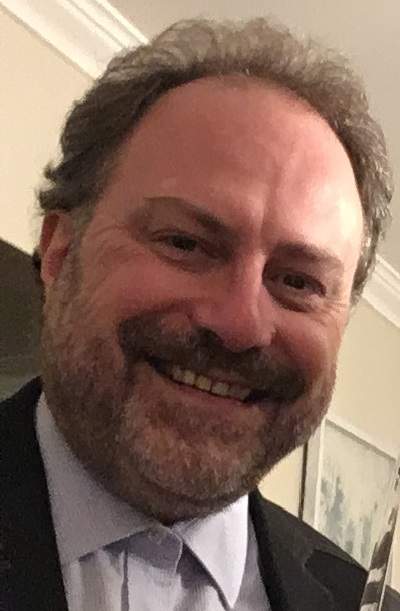
Raymond Dyer 2020

Raymond DyerBy Raymond E. Dyer (Ray), ASQ Senior Member, CMQ/OE, & CQA (Texte en français suit)

I imagine many of you have noticed since May 1st, the very different look of our myASQ web site. ASQ has moved over their platform to a different service provider. Our section’s main contributor, Jean-Pierre (JP) Amiel, is currently going through the updated platform to see what he can recuperate from the multitude of posts he’s made in the past. I’ve played with the platform a little and must admit there are some improvements, even if I’m very disappointed in ASQ’s transition.

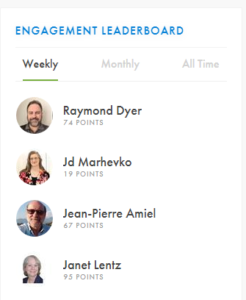
I focused on re-establishing contacts after they were all lost. Today, as I was preparing for this article, I noticed something that will surely change in the days to come, but will poke fun at it now while I have the chance. As you visit the myASQ website, there is an Engagement Leaderboard (https://my.asq.org/home/memberhome, you will need to sign-in). At the time of writing this article, Janet Lentz led with 95 points and I seemed to be in second place with 74 points, 7 points ahead of JP who is at 67 points. This is probably the only time I’ll ever get a chance to claim that I was ahead of JP as a myASQ contributor. It’s just such a “one-time” claim given JP’s legacy of the volume of Quality postings he’s historically done for our section. However, it did give me an idea.

myASQ Engagement Leaderboard 20230506

One of the reasons I have my 74 points is because of the contacts I was able to establish (currently at 22). I want to challenge all of our members to reach out and connect with fellow ASQ members they know. Let’s see if any of you can beat my number. BTW, I’m always open to connecting with those of you that reach out to connect with me. Maybe that’s give me an edge to stay ahead of JP for a little while longer. I hope we all get to enjoy and see the benefit of our new myASQ platform.

Thank you!


J’imagine que beaucoup d’entre vous ont remarqué que depuis le 1er mai, l’aspect très différent de notre site web myASQ. L’ASQ a transféré sa plate-forme à un autre fournisseur de services. Le principal contributeur de notre section, Jean-Pierre (JP) Amiel, est actuellement en train de passer en revue la mise à jour de la plateforme pour voir ce qu’il peut récupérer de la multitude de messages qu’il a publiés dans le passé. J’ai joué un peu avec la plateforme et je dois admettre qu’il y a quelques améliorations, même si je suis très déçu de la transition d’ASQ.

Je me suis concentré sur le rétablissement des contacts après qu’ils aient tous été perdus. Aujourd’hui, alors que je préparais cet article, j’ai remarqué quelque chose qui changera sûrement dans les jours à venir, mais dont je vais me moquer maintenant pendant que j’en ai l’occasion. Lorsque vous visitez le site web myASQ, il y a un Engagement Leaderboard (tableau de bord de l’engagement) (https://my.asq.org/home/memberhome vous devrez vous connecter). Au moment où j’écris cet article, Janet Lentz est en tête avec 95 points et je semble être en deuxième position avec 74 points, 7 points devant JP qui est à 67 points. C’est probablement la seule fois où j’aurai l’occasion de dire que j’ai devancé JP en tant que contributeur à myASQ. Il s’agit d’une affirmation “unique” compte tenu de l’héritage de JP et du volume d’articles sur la qualité qu’il a toujours publié pour notre section. Toutefois, cela m’a donné une idée.

L’une des raisons pour lesquelles j’ai obtenu mes 74 points est que j’ai pu établir des contacts (j’en ai actuellement 22). Je souhaite mettre tous nos membres au défi de prendre contact avec les autres membres de l’ASQ qu’ils connaissent. Voyons si l’un d’entre vous peut battre mon nombre. Par ailleurs, je suis toujours prête à entrer en contact avec ceux d’entre vous qui me contactent. Cela me permettra peut-être de garder une longueur d’avance sur JP pour un peu plus longtemps. J’espère que nous pourrons tous profiter et voir les avantages de notre nouvelle plateforme myASQ.

Merci!

Send me your comments | Envoyez-moi vos commentaires


Explore OUR new Montreal myASQ site |  Explorez NOTRE nouveau site myASQ Montréal.

Word from the Chair | Mot du président Read More »

ASQ PEP 2022 Performance Awards

ASQ PEP 2022 Performance Awards

ASQ 2022 Performance Excellence Program   ASQ 2022 PEP Gold Award

ASQ-HQ offered its congratulations to the 2022 Awardees for Member Unit Performance Excellence!

It was a total of 17 Technical Communities (Divisions) and 28 Geographic Communities (Sections) which were recognized for their commitments and excellence. For 2022, five out of the 13 Canadian Sections won recognition. We are especially proud to report that amongst the seven GOLD winners, both the Montreal and Toronto Sections were recognized. Calgary won Silver recognition, and both Edmonton and Hamilton won Bronze recognition.

The ASQ Performance Excellence Program was created by Milwaukee-based ASQ to recognize Member Units for excellent performance that reinforces ASQ’s position as the thought leader and expands ASQ offerings to members and customers:
• Contributions to ASQ thought leadership, as measured by myASQ content postings;
• Member Engagement and Experience, as measured by myASQ activity and member increases;
• Fiduciary responsibility, as measured by adherence to budget;
• Achievement of business plan objectives, as measured by self-reported progress on business goals and targets.
These measures were evaluated based on the Member Unit’s own baseline data and self-reported business plan progress. Award levels were conferred using a common point system.

Congratulations!


ASQ PEP 2022 Performance Awards Read More »

Had You Connected to the Last Event | Si vous étiez connecté (2023-03-28)

JP Amiel

How Learning Culture Assessment helps transformation

(L’évaluation de la culture d’apprentissage contribue à la transformation)

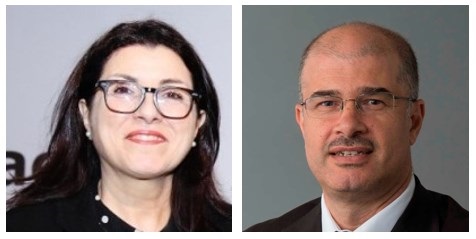
Anastasia Sayegh + Samer Hamadeh

By Jean-Pierre Amiel, ASQ CQA Ret., Chair Website committee.   (Text en français suit)

Here is a review of the presentation of our lunchtime webinar on 28 March 2023 by Anastasia Sayegh, Founder Process Excellence Systems live from Lebanon and Samer Hamadeh, Partner at ILO connected from England on How Learning Culture Assessment helps with transformation using The Learning Culture Mirror. (Texte en français suit)

Learning Culture Mirror

Shaping the future with better learning . . . these are thoughts on how to reduce the unknown and change our mindset. Anastasia Sayegh first offered us an introduction to The Learning Culture Mirror (LCM) by explaining how an organization must continually expand its capacity and orchestrate the optimization of its systems.

But, a company is not a just a simple organization chart of people, departments and hierarchy. It is really composed of humans who have various direct or indirect interactions/relationships with other humans within the company and community. Therefore to be able to operate changes in the company, one must cycle/adjust our plans as we meet up with the real world versus the mental models of the company structure.

She then introduced the diagnostic assessment tool developed by the Institute for Learning Organization (ILO) with its partner The Society for Learning Organization in Norway. That tool is the Learning Culture Mirror (LCM) that will give management a better understanding of the organization’s human profile within a six-block framework — a lens to SEE, a framework to THINK and a tool to ACT.

At that point Samer Hamadeh took over and described the process and the LCM tool: a battery of 24 questions, structured into six basic blocks. It’s objective – help answer four key questions for management:

  1. What are the key characteristics of an adaptive learning culture?
  2. Which are the weak and strong characteristics?
  3. What is our main improvement direction?
  4. How to get ‘feedback signals” and steer our organizational development?

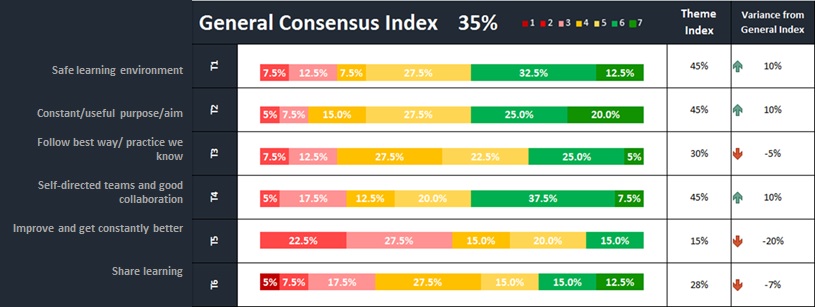
Learning Culture Mirror General Index

He explained that actually, the questions also/especially offer an open dialogue on the differences within the organization as the evaluation is not only based on an analysis of the responses received to the surveys, but also on the lack or differences of the responses within the organization as well as the number of uncompleted surveys versus the completed ones. All of these are indicative of the situation being measured.

Samer then proceeded to discuss the different LC Mirror steps: Survey, Visualization and Plan Assist and what can be gleaned from the various charts and reports generated by the tool. From a large overview to the drilled down information which permits comparison of one sector vs another.

A very interesting presentation.

Find more information at: www.learnorg.global or https://ot.lcm-ilo.com/.


Voici un sommaire de notre webinaire diner du 28 mars 2023, une présentation sur L’évaluation de la culture d’apprentissage contribue à la transformation avec Anastasia Sayegh, Fondatrice de Process Excellence Systems en direct du Liban, et de Samer Hamadeh, Parteneraire chez ILO de l’Angleterre, sur l’usage du Learning Culture Mirror (LCM, Miroir de la culture de l’apprentissage).

Façonner l’avenir avec un meilleur apprentissage . . . des réflexions sur la façon de réduire l’inconnu et de changer notre état d’esprit.

Anastasia Sayegh nous a d’abord présenté le Miroir de la culture de l’apprentissage (LCM) en expliquant comment une organisation doit continuellement accroître sa capacité et orchestrer l’optimisation de ses systèmes. Une compagnie est en réalité composée d’êtres humains qui ont diverses interactions/relations directes ou indirectes avec d’autres êtres humains au sein de l’entreprise et de la communauté. Elle a ensuite présenté l’outil d’évaluation diagnostique développé par l’Institute for Learning Organization (ILO) avec son partenaire The Society for Learning Organization en Norvège. Cet outil, le Learning Culture Mirror (LCM), permettra à la direction de mieux comprendre le profil humain de l’organisation dans un cadre à six blocs – une lentille pour VOIR, un cadre pour PENSER et un outil pour AGIR.

Samer Hamadeh a alors pris le relais et décrit le processus et l’outil LCM – une batterie de 24 questions structurées en six blocs de base. Son objectif – aider à répondre à quatre questions clés pour la direction:

  1. Quelles sont les principales caractéristiques d’une culture d’apprentissage adaptative?
  2. Quelles sont les caractéristiques faibles et fortes?
  3. Quel est notre principal axe d’amélioration?
  4. Comment obtenir des “signaux de retour” et orienter notre développement organisationnel?

Il a expliqué qu’en réalité, les questions offrent aussi et surtout un dialogue ouvert sur les différences au sein de l’organisation, car l’évaluation n’est pas seulement basée sur une analyse des réponses reçues aux enquêtes, mais aussi sur l’absence ou les différences de réponses au sein de l’organisation, ainsi que sur le nombre d’enquêtes non complétées par rapport à celles qui ont été complétées.

Samer a ensuite abordé les différentes étapes du LC Mirror: enquête, visualisation et assistance au plan, ainsi que ce que l’on peut tirer des différents graphiques et rapports générés par l’outil. De la vue d’ensemble aux informations détaillées qui permettent de comparer un secteur à un autre.

Une présentation très intéressante.

Pour de plus amples informations, vous pouvez consulter les sites suivants: www.learnorg.global ou https://ot.lcm-ilo.com/.

Had You Connected to the Last Event | Si vous étiez connecté (2023-03-28) Read More »

World Conference on Quality & Improvement (May 7-10, 2023)

By Michael Bournazian, Eng., Newsletter Editor, ASQ Senior Member, Quality Management Professional, CSSGB

ASQ will be holding their World Conference on Quality & Improvement very shortly (May 7-10, 2023) in Philadelphia, Pennsylvania, and it will be “In Person”.

If you wish to have more information or to register, please click HERE.

World Conference on Quality & Improvement (May 7-10, 2023) Read More »

ASQ Certification Study Group

Dr David TozerBy Dr. David Tozer, Ph.D., ASQ CQE and SSBB, Education & Audit Chair.

Would you like to work with others to prepare for ASQ examinations? We have a Teams based section study group that is open every Tuesday evening from 7:00 pm to 8:30 pm, starting January 17, 2023.

Join the team and get to help each other. Contact the host Dr. David Tozer, Montreal Section Education Chair, to obtain a link.


Aimeriez-vous travailler avec d’autres personnes pour préparer les examens de l’ASQ ? Nous avons un groupe d’étude Teams ouvert tous les mardis soirs de 19 h à 20 h 30, à partir du 17 janvier 2023.

Rejoignez l’équipe et aidez-vous mutuellement. Contactez l’hôte, Dr. David Tozer, président de l’éducation de la section de Montréal, pour obtenir un lien.

ASQ Certification Study Group Read More »

Had You Connected to the Last Event | Si vous étiez connecté (2023-03-22)

Raymond Dyer 2020

Applying Intentional Creativity to Quality Management

(Appliquer la créativité intentionnelle à la gestion de la qualité)
Ruth StanleyBy Raymond E. Dyer (Ray), ASQ Senior Member, CMQ/OE, & CQA (Texte en français suit)

The most valuable “currency” of any organization is the initiative and creativity of its members. Every leader has the solemn moral responsibility to develop these to the maximum in all [their] people.” – W. Edwards Deming

I hope I can give justice to the presentation and workshop of our 22 March, 2023 webinar with Ruth Stanley on Applying Intentional Creativity to Quality Management. It’s not always easy to moderate such events, participate in the workshops, and then write up about them. However, here it goes.

Like all good presenters, Ruth spent some time sharing with us about the co-authors of her book “Your Creativity Sprint“, i.e. Dwight Powless, Tim Ragan, and Edwin Garro. After reviewing a few popular acronyms like VUCA (Volatile-Uncertain-Complex-Ambiguous) and BANI (Brittle-Anxious-Non-linear-Incomprehensible) and their significance, Ruth asked us “How do we nurture creativity?“, going through components such as Physical, Mental, Emotional, Relationship, Spiritual, and Cultural.  This alone indicated we were going to talk about human factors which she summarized as “embracing our humanity“.

Ruth then spent time reviewing techniques such as “Look, Listen, Feel Challenge” and incorporating Intentional Creativity into an A3 Challenge, a tool many Quality professionals are very aware of. My favorite workshop exercises were the “Ugly Baby Challenge” where no “buts” were allowed and especially the “Hero Challenge” where the focus was on relating a message regarding a current issue using a hero to give your younger self a message from your experience — talk about thinking out of the box!

Having taken courses in coaching, I could not help feeling that Ruth’s Intentional Creativity approach shared strong elements with a coaching approach that really solicits individuals to think of alternatives and paths of action themselves rather than following prescribing best practices suggested to them.  This ASQ event had everything we look for: information, application of theory, and an opportunity to reflect and learn. An excellent experience indeed. For more information on Ruth’s book, see Your Creativity Sprint Five-Week Challenge.

We look forward to continuing discussions on this and other topics in the future.


J’espère pouvoir donner justice à la présentation et l’atelier de notre webinaire du 22 mars, 2023 avec Ruth Stanley, sur Appliquer la créativité intentionnelle à la gestion de la qualité. Il n’est pas toujours facile d’animer de tels événements, de participer aux ateliers et de rédiger un article à leur sujet. Mais voici ce qu’il en est.

Comme tout bon présentateur, Ruth a pris le temps de nous présenter les co-auteurs de son livre “Your Creativity Sprint“: c’est-à-dire Dwight Powless, Tim Ragan et Edwin Garro. Après avoir passé en revue quelques acronymes populaires tels que VUCA (Volatile-Uncertain-Complex-Ambiguous, en français “Volatilité, Incertitude, Complexité et Ambiguïté”) et BANI (Brittle-Anxious-Non-linear-Incomprehensible, en français “Fragile, Anxieux, Non-linéaire et Incompréhensible”) et leur signification, Ruth a posé la question suivante: “Comment nourrir la créativité?” en passant en revue des éléments tels que le physique, le mental, l’émotionnel, le relationnel, le spirituel et le culturel. Ceci indiquait que nous allions parler des facteurs humains, ce qu’elle a résumé en disant qu’il s’agissait d’embrasser notre humanité.

Ruth a ensuite passé du temps à revoir des techniques telles que “Look, Listen, Feel Challenge” (regarder, écouter, ressentir le défi) et incorporer la créativité intentionnelle dans un défi A3, un outil dont les professionnels de la qualité connaissent bien. Mes exercices préférés ont été le “Ugly Baby Challenge” (défi du bébé moche), où aucun “mais” n’était autorisé, et surtout le “Hero Challenge” (défi du héro), où il s’agissait de faire passer un message sur un sujet d’actualité en utilisant un héro pour faire passer à son jeune soi-même un message issu de son expérience – il s’agissait vraiment de sortir des sentiers battus!

Ayant suivi des cours de coaching, je n’ai pu m’empêcher de penser que l’approche de la créativité intentionnelle de Ruth partageait des éléments forts avec une approche de coaching qui sollicite réellement les individus pour qu’ils réfléchissent eux-mêmes à des alternatives et à des voies d’action plutôt que de suivre les meilleures pratiques prescrites qui leur sont suggérées. Cet événement de l’ASQ avait tout ce que nous recherchons: de l’information, l’application de la théorie et une occasion de réfléchir et d’apprendre. Une excellente expérience en somme. Pour plus d’informations sur le livre de Ruth, voir Your Creativity Sprint Five-Week Challenge.

Nous nous réjouissons de poursuivre les discussions sur ce sujet ainsi que sur d’autres à l’avenir.

Had You Connected to the Last Event | Si vous étiez connecté (2023-03-22) Read More »

Student Outreach | Sensibilisation étudiante

Farnoosh Naderkhani

Farnoosh NaderkhaniBy Dr. Farnoosh Naderkhani, ASQ Member, Assistant Professor @Concordia, Student Outreach Committee Chair  (un texte français suit)

Our third student webinar series held on March 23rd, 2023 was a highly successful event with around 20 participants. The distinguished speaker, Dr. Mohammad Reza Faghani, delivered a talk on “Learning how adversaries infiltrate highly secured environment.” The webinar was highly informative and engaging, providing valuable insights into the challenges of securing highly sensitive environments and the tactics that adversaries may use to breach them.

A closing survey was conducted and the response rate was quite impressive, with 10 attendees sharing their feedbacks. The average satisfaction rating for the subject matter was 4.9 out of 5, while the satisfaction with the approach and presenter was rated at 4.7 out of 5, demonstrating the high level of enjoyment and engagement among the attendees.

The overwhelmingly positive feedback from the attendees motivates us to continue to organize more student webinar series to provide students with valuable knowledge and learning opportunities. Overall, the third student webinar series was a resounding success, and we look forward to hosting many more such events in the future.

Until next time.


Notre troisième série de webinaires pour les étudiants, qui s’est tenue le 23 mars 2023, a été un événement très réussi, avec une vingtaine de participants. Le Dr. Mohammad Reza Faghani, a présenté un exposé sur le thème “Apprendre comment les adversaires s’infiltrent dans un environnement hautement sécurisé“. Le webinaire a été très instructif et engageant, fournissant des informations précieuses sur les défis de la sécurisation des environnements hautement sensibles et les tactiques que les adversaires peuvent utiliser pour les pénétrer.

Pour l’enquête de clôture menée, le taux de réponse a été assez impressionnant, avec 10 participants partageant leurs commentaires. Le taux de satisfaction moyen pour le sujet traité était de 4,9 sur 5, tandis que le taux de satisfaction pour l’approche et le présentateur était de 4,7 sur 5, ce qui démontre le niveau élevé de plaisir et d’engagement des participants.

À la prochaine.


If you are part of an educational institution and would like to have more visibility on quality-related topics, please contact us. We have a network of potential speakers that may be of interest to you. Contact Raymond Dyer on LinkedIn.

Si vous faites partie d’un établissement d’enseignement et que vous souhaitez avoir plus de visibilité sur les sujets liés à la qualité, veuillez nous contacter. Nous disposons d’un réseau de conférenciers potentiels qui pourraient vous intéresser. Contactez Raymond Dyer sur LinkedIn.

Student Outreach | Sensibilisation étudiante Read More »

The Editor’s Corner | Mot de l’éditeur

Michael Bournazian

By Michael Bournazian, Eng., Newsletter Editor, ASQ Senior Member, Quality Management Professional, CSSGB with Rolls-Royce

Back in March 2021, I wrote in this very section about the ice storm that had hit Texas. I concluded in the end that it was not really my place to point the finger at the state’s lack of preparedness, given eastern Canada’s lack of preparedness during the 1998 ice storm that affected us 25 years ago (happy silver anniversary!).

In present day Quebec (and Montreal specifically), we  experienced an unexpected sense of deja-vu when, low-and-behold, another ice storm hit the area on April 5th. Not as severe as 1998, but still a large proportion of the Montreal region was once again plunged into darkness, which meant no electricity and, unlike in 1998, no Internet as well (yes, I know, the Internet was around in 1998, but without the stranglehold it has on our lives like it does now).

So did Hydro Quebec do a better job of dealing with the emergency this time around compared to 1998? If I strictly look at my own personal situation, I went 4 days with power this time around, as opposed to 2 weeks as I did in 1998. So by those numbers, I should be happy. That of course did not stop me from cursing (loudly in my mind) every 5 minutes or so that my power was still off yet I was seeing other neighbourhoods regain their power almost immediately.

But overall I do feel that Hydro Quebec dealt with this storm better than the previous one, so kudos where they are due for lessons learnt and improvements made. That said, this ice storm took place during the warmer month of April, whereas the 1998 storm occurred in January and continued into February, the veritable “dead of winter”, so not exactly the same “test conditions”. And no, I am not wishing for an ice storm to strike in January 2024 😉

Hopefully by the time you read this, your power has returned and you are back to surfing Internet-style and not sleeping under 2 blankets and wearing 3 layers of clothing. All the best for a warm summer.

EDITOR’S NOTE: Neither the “C” word nor the “P” word were used during the writing of this article.

**********************************************

Any feedback? Click on the link and let me know.

ALSO . . .  Please contact me or any one else on the Leadership team if you would like to:
1) Write and submit an article to be published in the Newsletter.
2) Write a review of one of the upcoming monthly webinars for the “Had You Been There” section.

Thank you, all the best and none of the worst.

The Editor’s Corner | Mot de l’éditeur Read More »

Word from the Chair | Mot du président

Raymond Dyer 2020

Raymond DyerBy Raymond E. Dyer (Ray), ASQ Senior Member, CMQ/OE, & CQA (Texte en français suit)

We were busy in March. We had three events:

              1. Our regular Wednesday evening section event held March 22nd entitled “Applying Intentional Creativity to Quality Management” presented by Ruth Stanley who is well known by our section;
              2. A Student Outreach event held March 23rd entitled “Adversary Simulation, Threats Against Financial Institutions” presented by Dr. Mohammad Reza Faghani and organized by our section’s Student Outreach Committee Chair and Concordia University Assistant Professor Farnoosh Naderkhani; and
              3. A special noon hour event held March 28th entitled “Learning Culture Helps Transformation” presented by Anastasia Sayegh (in Lebanon) and Samer Hamadeh (in England).

All three virtual events were very interesting and highly appreciated. Thanks to all those that helped organize these events!

Next I’d like to spend a few minutes on Quality related tools and skills. ASQ sends to members, that wish to receive, various e-mails containing links to ASQTV, Quality Progress, etc. It’s a wealth of knowledge. In cleaning up old e-mails, I came across a couple of topics that I thought were interesting to share.

The first was an ASQTV video called CI and RCA with A3 and 8D that correlates the A3 form as being focused on Continuous Improvement (CI) and the 8D form being focused on Root Cause Analysis (RCA). It’s an interesting video if you have access, i.e. are an ASQ member.

The second involved a Quality Progress article on Building An Army Of Problem Solvers – Add Frontline Workers To Your Problem-Solving Ranks With Coaching Questions. Again, you’ll likely need ASQ membership to access. In summary, even though it may take a little more time, to ensure involvement of colleagues in the problem-solving process, the author suggests asking three types of coaching questions; open-ended, non-leading, and non-judgmental. There’s a lot more guidance in the article, but I felt the summary was a good point to share.

Thank-you!


Nous avons été très occupés en mars car nous avons organisé trois événements:

  1. Notre événement habituel du mercredi soir, le 22 mars, intitulé “Applying Intentional Creativity to Quality Management“, présenté par Ruth Stanley, bien connue de notre section;
  2. Un événement de sensibilisation des étudiants organisé le 23 mars et intitulé “Adversary Simulation, Threats Against Financial Institutions“, présenté par le Dr. Mohammad Reza Faghani et organisé par le président du comité de sensibilisation des étudiants de notre section et le professeur adjoint de l’Université Concordia, Farnoosh Naderkhani; et,
  3. Un événement spécial organisé le 28 mars à midi, intitulé “Learning Culture Helps Transformation“, présenté par Anastasia Sayegh (au Liban) et Samer Hamadeh (en Angleterre).

Ces trois événements virtuels ont été très intéressants et très appréciés. Merci à tous ceux qui ont participé à l’organisation de ces événements!

J’aimerais ensuite consacrer quelques minutes aux outils et compétences liés à la qualité. L’ASQ envoie, aux membres qui le souhaitent, divers courriels contenant des liens vers ASQTV, Quality Progress, etc. C’est une mine de connaissances. En nettoyant d’anciens courriels, je suis tombé sur quelques sujets qui m’ont semblé intéressants à partager.

La première était une vidéo d’ASQTV intitulée CI and RCA with A3 and 8D qui établit une corrélation entre le formulaire A3, axé sur l’amélioration continue (CI), et le formulaire 8D, axé sur l’analyse des causes profondes (RCA). C’est une vidéo intéressante si vous y avez accès, c’est-à-dire si vous êtes membre de l’ASQ.

Le second concerne un article de Quality Progress intitulé Building An Army Of Problem Solvers – Add Frontline Workers To Your Problem-Solving Ranks With Coaching Questions (Construire une armée de résolveurs de problèmes – Ajouter des travailleurs de première ligne à vos rangs de résolution de problèmes grâce à des questions de coaching). Là encore, vous devrez probablement être membre de l’ASQ pour y accéder. En résumé, même si cela peut prendre un peu plus de temps, l’auteur suggère de poser trois types de questions de coaching: des questions ouvertes, des questions non suggestives et des questions qui ne portent pas de jugement, afin de garantir l’implication des collègues dans le processus de résolution des problèmes. L’article contient bien d’autres conseils, mais j’ai pensé que ce résumé était un bon point à partager.

Merci!

Send me your comments | Envoyez-moi vos commentaires

Word from the Chair | Mot du président Read More »

Voice of The Customer | Voix du Client

Chantale Farley 2023

Chantale Farley 2023Par Chantale Farley, Responsable VoC (English text follows)

Ce mois-ci nous avons été choyé en présentations: une le 22 mars et la seconde le 28 mars.

Applying Intentional Creativity to Quality Management (Appliquer la créativité intentionnelle à la gestion de la qualité) présentée le 22 mars dernier par Ruth Stanley co-auteure de Your Creativity Sprint: The Five Week Challenge to Better Insights et auteure de A Different Type of Bombshell a connu un franc succès. L’activité débutait à 18h30 avec une période de réseautage où il a été possible d’échanger sur divers sujets.  Parmi les 43 participants, 25 ont complété le sondage, démontrant un taux de satisfaction de 90%. Le thème ainsi que la présentatrice ont été également apprécié avec un taux de 89%. Parmi les participants, plusieurs secteurs d’affaire étaient représentés; nous avons pu également observer une plus grande audience provenant du domaine manufacturier. Par ailleurs, cette présentation bilingue a attirée une audience provenant de la Grande région Métropolitaine et des États-Unis.

Ensuite, le 28 mars se tenait l’évènement Learning Culture Assessment Helps Transformation (L’évaluation de la culture d’apprentissage contribue à la transformation) présenté par Anastasia Sayegh et Samer Hamadeh, partenaires  de l’Institute for Learning Organizations. Parmi les 27 participants, 19 ont complété le sondage, démontrant un taux de satisfaction de 87%. Le thème ainsi que le présentateur ont été également apprécié avec un taux de 88%. Cette présentation  a attirée une audience internationale; de la Grande région de Montréal, de Québec également des États-Unis, Allemagne et la France.

Chantale,
Merci à tous pour votre participation à cet évènement.


This month we were treated to two great presentations: one on March 22nd, and the other on March 28th.

Applying Intentional Creativity to Quality Management presented on March 22nd by Ruth Stanley, co-author of Your Creativity Sprint: The Five Week Challenge to Better Insights and author A Different Type of Bombshell, has been a great success. The activity started at 6:30 p.m. with a networking period where it was possible to exchange on various subjects. The event attracted an audience of over 53 participants. 25 respondents confirmed an overall satisfaction rate of 90%. The theme and the presenter were also appreciated with a rate of 89%. Among the participants, several business sectors were represented; we were also able to observe a larger audience from the manufacturing field. In addition, this bilingual conference attracted an audience mainly from the Greater Montreal Area and from the United States.

Then, on March 28th, Learning Culture Assessment Helps Transformation was presented by Anastasia Sayegh and Samer Hamadeh, partners of the Institute of Learning Organizations. Of the 27 participants, 19 completed the survey demonstrating a satisfaction rate of 87%. The theme as well as the  presenter were also appreciated  with a rate of 88%. This presentation attracted an international audience from the Greater Montreal region, Quebec City, United States, Germany and France.

Chantale,
Thank you all for your participation in this event.

Voice of The Customer | Voix du Client Read More »

ASQ Montreal Section – Education Program 2023

Dr David TozerBy Dr. David Tozer, Ph.D., ASQ CQE and SSBB, Education & Audit Chair.

ASQ Certification often leads to higher paying employment. The money invested in education and certification increases chances of finding employment quickly in the down sizing environment we live in.  People who take the section sponsored refresher courses, and spend at least twice as much time as spent in the classroom on self study, have an 80%, or better, chance of passing the examination on the first attempt.

Having ASQ certification gives you an edge in the market and can significantly increase your income.
Courses are now available online as well | Courses now available online

    • Certified Quality Engineer : quality concepts, cost of quality, human resources, team formation and group dynamics, inspection, metrology, sampling, reliability, quality standards, quality audit, statistics, design of experiments, process improvement, liability, and modern management methods for improving quality.
    • Certified Six Sigma Black Belt: quality concepts, cost of quality, enterprise wide deployment, business process management, project management, team formation and group dynamics, define, measure, analyze, improve, control, lean enterprise, statistics, design of experiments, and design for six sigma.
    • Certified Six Sigma Green Belt: quality concepts, cost of quality, enterprise wide deployment, business process management, project management, team formation and group dynamics, define, measure, analyze, improve, control, and statistics.
    • Certified Manager of Quality/Organizational Excellence: quality concepts, quality planning, customer focus, quality standards, project management, cost of quality, team formation and group dynamics, human resources and improvement.
    • Certified Quality Auditor: quality concepts, team formation and group dynamics, management responsibility, audit objectives, audit preparation, audit conduct, audit reporting, sampling, and basic statistics.
    • Certified Quality Inspector: quality concepts, team formation and group dynamics, geometry, metrology, reading drawings, mechanical processes, statistical process control, inspection, and sampling.

    Calendar and Registration Online Form
    Questions? Cours en site/In house courses, etc. Contact: Dr. David Tozer (514) 694-2830

ASQ Montreal Section – Education Program 2023 Read More »

Radical Transformation Kaikaku – A personal Story

Radical Transformation Kaikaku – A personal Story

By Jean-Pierre Amiel,  ASQ Senior, CQA ret., Web Committee Chair

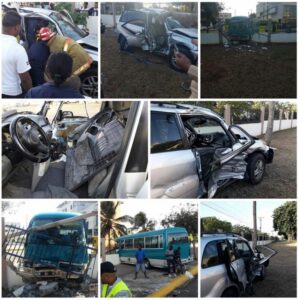
On the 30th of November 2022 we had the privilege to meet and hear Albanesa Ymaya, CLSSBB, TPS, Kaikaku Practitioner describe her approach on transformation in Kaikaku Before Kaizen. What I didn’t know then, was that Albanesa had also had her own personal radical transformation. In 2019, she survived a terrible car accident. Today, on LinkedIn, she reports in her own philosophical way how that day caused her to reflect that on life — not personal or professional — but both. This reflection set her on a dream to visit Japan, the place where the Toyota Production System began…. Here’s part of that post, translated from Spanish:

Albanesa Ymaya Accident Picture-2019

😱 4 years ago in that vehicle! Where my life could have ended in a minute and thus many of my dreams. But if this is a professional network (LinkedIn) why am I sharing something so intimate and personal? Simple. Over the years I have discovered that there is no real separation between the professional and the personal, because all we have is a life. A life that we occupy at different times.
Our professional life is completely tied to who we are as a person. Well, there is only one life!
After that fateful accident, I promised myself that I would live every moment as if it were the last day of my life and fight with all my might to achieve every dream I had… Four years ago, I made a firm decision not to keep waiting and today, thanks to God and the work of my team and family, I will be able to realize another big dream…. I will be in the place where one of the most admired business models in the world (the Toyota Production System) began …. I will finally be in Japan!
Today I invite you to fight with all your heart for each of your dreams ….. I invite you to take one action each day that will bring you closer to achieving them….. Never give up!


Radical Transformation Kaikaku – A personal Story Read More »

ASQ Montreal —Women in Quality Initiative

ASQ Montreal — Women in Quality Initiative

By Women in Quality InitiativeVeronica marquez, M.Sc., CSSBB, ASQ Member, Social media Chair.

Today, March 22, 2023, the Montreal Section introduces our Women in Quality Initiative. We want to showcase women, their accomplishments, their successes, and inspire the next generation of Women in Quality.
Will you join us?

Click here for a silent video or access the survey.


ASQ Montreal —Women in Quality Initiative Read More »

ASQ — Supply Chain Management (Quality Progress March 2023)

Quality Progress 2023-03 Cover Mutual Attraction

Consider these five determinants to find true alignment between companies and strategic suppliers, which can lead to high-performance quality.

This article by Alon Schonberger, a quality manager in Israel who holds a master’s degree in mechanical engineering from Technion—Israel Institute of Technology and an MBA from the Open University in Israel, presents the facts:

  • In most scenarios, companies must align themselves with the right suppliers and strategically approach these partnerships.
  • Strategic suppliers must look at these partnerships with buying companies and consider five determinants to achieve total satisfaction of the buying company, which leads to performance quality.
  • In addition, there are ways the buying company can make itself more attractive to find strategic suppliers.

ASQ — Supply Chain Management (Quality Progress March 2023) Read More »

Scroll to Top