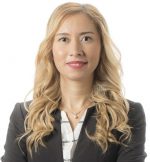
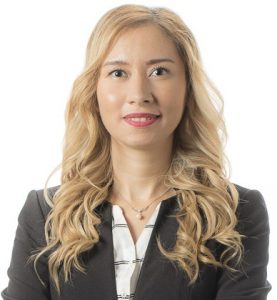
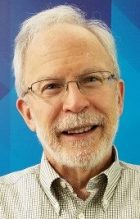
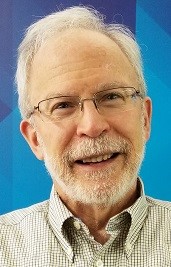
Chantale Simard

Unemployed Members – Dues

Any individual Full or Senior, or a Fellow member may participate in ASQ’s unemployment dues relief program if they want to continue maintaining their ASQ membership. For more information:

  • Log-in to your ASQ account, go to the My Account page, select Unemployed Members on the left panel. The Unemployed Member Dues page appears.
  • Download the ASQ Unemployment Program Application, complete and submit to ASQ-HQ.
  • Don’t forget to Log-out.

Tout membre individuel Titulaire, Senior ou Fellow peut participer au programme d’allègement des cotisations de chômage de l’ASQ s’il souhaite continuer à maintenir son adhésion à l’ASQ. Pour plus d’informations:

  • Connectez-vous à votre compte ASQ, allez sur la page Mon compte (My Account), sélectionnez Membres chômeurs (Unemployed Members) sur le panneau de gauche. La page Cotisations des membres chômeurs (Unemployed Member Dues) s’affiche.
  • Téléchargez la Demande d’adhésion au programme de chômage de l’ASQ (ASQ Unemployment Program Application), remplissez et envoyez à ASQ-HQ.
  • N’oubliez pas de vous déconnecter.

Unemployed Members – Dues Read More »

Student Outreach | Sensibilisation étudiante

Farnoosh Naderkhani

Farnoosh NaderkhaniDr. Farnoosh Naderkhani, ASQ Member, Assistant Professor @ Concordia, Student Outreach Committee Chair (un texte en français suit)

Eric Hosking of the Student Outreach Committee has contacted the Mechanical & Aerospace Engineering Department of Montréal’s École Polytechnique, and is working on an event there (tentatively for the 9th of November, 2023) to promote ASQ, quality, and engineering.

Eric Hosking, du Comité de sensibilisation étudiants, a contacté le département de Génie mécanique et aérospatial de l’École Polytechnique de Montréal, et travaille sur l’organisation d’un événement (provisoirement pour le 9 novembre, 2023) pour promouvoir l’ASQ, la qualité et l’ingénierie.


If you are part of an educational institution and would like to have more visibility on quality-related topics, please contact us. We have a network of potential speakers that may be of interest to you. Contact Raymond Dyer on LinkedIn.

Si vous faites partie d’un établissement d’enseignement et que vous souhaitez avoir plus de visibilité sur les sujets liés à la qualité, veuillez nous contacter. Nous disposons d’un réseau de conférenciers potentiels qui pourraient vous intéresser. Contactez Raymond Dyer sur LinkedIn.

Student Outreach | Sensibilisation étudiante Read More »

Officer Nominations 2024 | Candidatures d’officiers 2024

Sam Weissfellner

Sam WeissfellnerBy Sam Weissfelner, ASQ Senior Member, ASQ CSQE, CQA, Nominating Chair, Arrangements Chair, Program Committee Member (Texte en français suit)

As we have received no other proposal for another slate, the proposed Leadership Team below will be approved at our planned Annual General Assembly to be held on October 25th, 2023. The election process involves the nominating committee submitting a list of candidates and it being approved at the General Assembly.

See a complete listing of current ASQ Montreal Section positions.

Chair: Veronica Marquez

Vice-chair: Raymond Dyer

Secretary: Carolee Rigsbee

Treasurer: Chantale Simard

For more information on these positions or any other available, login to the ASQ site (you must be a member). Should you be interested in participating on the upcoming Section Leadership Team or have any questions on the roles themselves, please contact the Section Chair. Thank you to all our current members, and welcome to any of our new members.


Comme nous n’avons reçu aucune autre proposition de liste, l’équipe de direction proposée ci-dessous sera approuvée lors de notre assemblée générale annuelle prévue le 25 octobre 2023. Le processus d’élection implique que le comité de nomination soumette une liste de candidats et qu’elle soit approuvée lors de l’Assemblée générale.

Voici une liste complète des postes actuels de la section de Montréal de l’ASQ.

Présidente: Veronica Marquez

Vice-président: Raymond Dyer

Secrétaire: Carolee Rigsbee

Trésorière: Chantale Simard

Pour plus d’informations sur ces postes ou tout autre poste disponible, connectez-vous au site de l’ASQ (membres seulement). Si vous désirez participer à la prochaine équipe de leadership de la section ou si vous avez des questions sur les rôles eux-mêmes, veuillez contacter le président de la section. Merci à tous nos membres actuels, et bienvenue à tous nos nouveaux membres.

Officer Nominations 2024 | Candidatures d’officiers 2024 Read More »

Call for Officer Nominations 2024

ASQ Montreal — Call for Officer Nominations 2024

Sam Weissfellner  From: Sam Weissfelner, ASQ Senior, ASQ CSQE, CQA, Nominations Committee Chair

The following slate of candidates was submitted by the nominating committee for the 2024 Section Leadership Team (SLT): 

  • Chair: Veronica Marquez
  • Vice-chair: Raymond Dyer
  • Secretary: Carolee Rigsbee
  • Treasurer: Chantale Simard

The election process involves that the Nominating Committee submits a slate of officers to be approved at the General Assembly. To hold a Section Officer position, you must be a Professional, Senior or Fellow ASQ Member in good standing affiliated with our Section.

To submit alternate nominations for Section officer positions, please complete and submit this Nomination Form before September 30, 2023. Alternate nominations for Section Officer positions can be made by petition of 10 members in good standing of the Section.

The slate of officers will be repeated in the October newsletter and approved at our next planned Annual General Assembly to be held on October 25th, 2023.

Thank-you to all.


Call for Officer Nominations 2024 Read More »

ASQ Montreal — 2024 Business Plan (2023-09-22)

FR

ASQ Montreal — Business Plan 2024

ASQ Montreal Logo

By J.P.  Amiel, ASQ Senior, CQA ret., Secretary

As fall slowly settles in, your Montreal Section leadership team is looking ahead at next year’s line-up of action plans based on ASQ’s continuing development of its own Strategic Plan. Basically, our Business Plan lists what steps the section will be taking to achieve a specific goal. It is broken down into actionable steps that can be easily followed and tracked so as to clarify what resources will be required to reach it within a specific timeline. You will find below a preview of what we will be working on in 2024.

As for the 2023 Business Plan Objectives, we are proud to report that for the 16 objectives that we defined, so far 12 are 100% completed, 2 are 90% completed, one is at 80% and the last one at 78%. What a Q3 report, indeed!

Here are the 2024 goals for your Montreal Section Section Leadership Team (SLT).

1. DELIVER MEMBER VALUE: Design programs and initiatives that are diversified and add value to membership, meet/exceed their identified needs and expectations and support the Mission of ASQ. Think out of the Box to WOW members.
  • Deliver events and opportunities that address evolving needs of current and next generation quality professionals to ensure each has an optimized member experience.
  • Help quality professionals understand how they can guide their organizations by leveraging standards to achieve operational excellence by publishing multimedia on the use of standards.
2. ENHANCE THE ASQ BRAND AND PUBLIC IMAGE: Highlight Quality experts and provide Quality knowledge growth opportunities in your community and others.
  • Create opportunities to showcase knowledge of Quality subject matter experts by publishing multimedia on ASQ Montreal Section subject matter experts.
  • Generate opportunities for training, learning, and education in Quality:
    • Offer and publicize the offering of ASQ certification preparation courses;
    • Promote ASQ in local industry conferences by attending local industry conferences with the intent to promote ASQ;
    • Conduct Student Outreach events by doing networking session with educational institution(s)/students;
    • Recognize section leaders and/or members: Present awards to section leaders and/or members having demonstrated section leadership and involvement.
3. DELIVER OPERATIONAL EXCELLENCE: Leverage the expertise of Quality Professionals to ensure best practices in Diversity, equity, inclusion and belonging (DEI&B) culture, member experiences, efficient operations, access to quality content and education, governance, and financial responsibility are implemented to support ASQ and Geographic Communities.
  • Advance a culture of DEI&B to make the Society a place everyone feels welcome:
    • Engage francophone members and customers through sponsored French professional events;
    • Have Section Leadership Team (SLT) attend a course on DEI&B;
    • Develop a DEI&B plan.
  • Deliver a greater member experience and make it easier for ASQ members to participate and make their voices heard:
    • Issue regular newsletters throughout the active part of the year;
    • Post content on myASQ website targeting member feedback.
  • Drive efficiency and manage resources responsibly by meeting the approved budget bottom line and taking into account adjustments made throughout the year.
  • Contribute content to the myASQ community site to reach members across channels by posting content on the Montreal Section myASQ website.
  • Create meaningful learning and networking opportunities.
    • Conduct in-person networking session with members;
    • Conduct networking session with educational institution(s)/students.
  • Deliver Geographic Community minimum requirements:
    • Acknowledge the Member Unit Operating Agreement (MUOA);
    • All Member Leaders complete General Data Privacy Regulation (GDPR) training;
    • Deliver member value by conducting member events;
    • Conduct Section Leadership Committee (SLC) meetings;
    • Participate in Geographic Community Council’s (GCC) meetings or trainings;
    • Submit officers list using Committee Manager and after having conducted the elections;
    • Prepare and submit yearly business plan and budget to RD for approval;
    • Member value by posting content on myASQ;
    • Submit ASQ Community Annual Report in Q1 by communicated deadline;
    • Submit year end financial report, if applicable (not required for sections on Billhighway);
    • Sustain the section’s leadership team by recruiting section members to join the Section Leadership Team (SLT).

We look forward to seeing you at our events and should you decide to help us in our endeavours, we will make room around the Section Leadership meeting table. We’d love to hear from you here.


ASQ Montreal — 2024 Business Plan (2023-09-22) Read More »

Student Outreach | Sensibilisation étudiante

Farnoosh Naderkhani

Farnoosh NaderkhaniDr. Farnoosh Naderkhani, ASQ Member, Assistant Professor @ Concordia, Student Outreach Committee Chair (un texte en français suit)

Eric Hosking of the Student Outreach Committee has contacted the Mechanical & Aerospace Engineering Department of Montréal’s École Polytechnique, and is working on an event there (tentatively for the 9th of November, 2023) to promote ASQ, quality, and engineering.

Eric Hosking, du Comité de sensibilisation étudiants, a contacté le département de Génie mécanique et aérospatial de l’École Polytechnique de Montréal, et travaille sur l’organisation d’un événement (provisoirement pour le 9 novembre, 2023) pour promouvoir l’ASQ, la qualité et l’ingénierie.


If you are part of an educational institution and would like to have more visibility on quality-related topics, please contact us. We have a network of potential speakers that may be of interest to you. Contact Raymond Dyer on LinkedIn.

Si vous faites partie d’un établissement d’enseignement et que vous souhaitez avoir plus de visibilité sur les sujets liés à la qualité, veuillez nous contacter. Nous disposons d’un réseau de conférenciers potentiels qui pourraient vous intéresser. Contactez Raymond Dyer sur LinkedIn.

Student Outreach | Sensibilisation étudiante Read More »

Call for Officer Nominations – Appel de candidatures 2024

Sam Weissfellner

ASQ Montreal — Call for Officer Nominations – Appel de candidatures 2024

Sam Weissfellner  From: Sam Weissfelner, ASQ Senior, ASQ CSQE, CQA, Nominations Committee Chair

The following slate of candidates was submitted by the nominating committee for the 2024 Section Leadership Team (SLT): 

  • Chair: Veronica Marquez
  • Vice-chair: Raymond Dyer
  • Secretary: Carolee Rigsbee
  • Treasurer: Chantale Simard

The election process involves that the Nominating Committee submits a slate of officers to be approved at the General Assembly. To hold a Section Officer position, you must be a Professional, Senior or Fellow ASQ Member in good standing affiliated with our Section.

To submit alternate nominations for Section officer positions, please complete and submit this Nomination Form before September 30, 2023. Alternate nominations for Section Officer positions can be made by petition of 10 members in good standing of the Section.

The slate of officers will be repeated in the October newsletter and approved at our next planned Annual General Assembly to be held on October 25th, 2023.

Thank-you to all.


________________________________________________

Les candidats suivants ont été présenté par le comité des nominations pour l’Équipe de direction 2024 de la section :

  • Présidente : Veronica Marquez
  • Vice-président : Raymond Dyer
  • Secrétaire : Carolee Rigsbee
  • Trésorière : Chantale Simard

Le processus d’élection implique que le comité des nominations propose une équipe de direction pour approbation par l’assemblée générale. Pour être officier de la section, vous devez être un membre en règle, Senior, ou Fellow ASQ de la section. Pour proposer une équipe différente, veuillez compléter le Formulaire de nomination d’ici le 30 septembre, 2023. Les candidatures devront être appuyées par 10 membres en règle de la Section.

Cet appel de candidatures sera répété dans l’Infolettre d’octobre et approuvé lors de notre prochaine Assemblée générale annuelle prévue le 25 octobre 2023.

Merci à tous.


Call for Officer Nominations – Appel de candidatures 2024 Read More »

Had You Been There | Si vous étiez présent

JP Amiel

Where do Quality professionals work and where else could they work?
Où travaillent les professionnels de la qualité et dans quels autres domaines pourraient-ils travailler?

By Jean-Pierre Amiel, ASQ Senior, CQA ret., Secrétaire (Texte en français suit)

Networking Event 20230614-1
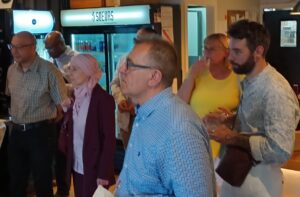
At left Eric Hosking, Membership Chair and Raymond Dyer, Section Chair and in the centre, Chantale Simard, Treasurer    (Photos JP Amiel)

This June 14th, it was good to finally see people in 3D since last October 2022 and some who have not been to our events in a long time. It turns out that since the start of the pandemic, many are going through various phases of difficulties, but still made the effort to show up at this first LIVE event of the year: another is planned for October. We definitely need that human contact (even if I did shock some with my fist bumps, at first).

We all met at the 3 Sœurs, a small intimate eatery in Dollard-des-Ormeaux. Food-wise: I was not disappointed. I congratulated Sam Weissfelner, our Arrangements Chair, and suggested that we should consider more food exceptions next time. Some people did not eat much because of meat dishes. I liked the spicy chicken cutlets (not that spicy), the mac and cheese (even if not smothered in cheese) and the refreshing salads. As for the place, cosy and not so noisy.

After picking our way through the appetizers, our Section Chair Ray Dyer split the room into two groups and had them partake in huddles. Based on the Post-Its recovered, that activity went relatively well and those results are presented below. While he was collating these and then presenting them to the participants, he stated how he could not help but feel very satisfied with the quality of the results delivered by both groups and how comforting it is to appreciate the opportunities out there for Quality professionals.

In conclusion, Quality professionals already work in a great variety of areas and there are even more areas where they could work based on their knowledge, skills, and expertise.

On behalf of Ray and myself, thanks to all those participants that helped make this event a success.

Where do Quality professionals work in? Where else could they work?
• Quality Manager
• Continuous Improvement
• Quality Auditor in Pharma, QMS, GMP
• Teaching
• Leadership teams / C-Suite
• Quality volunteerism
• Project Manager
• Supply Chain
• Supplier performance management
• Distribution (e.g. drug)
• Customer support
• Aerospace industry in QA coordination, DSQR (Designated Supplier Quality Representative) for AS 13000, Internal Auditor, Foundry, Aluminum, Project Manager, Mechanical Designer
• Other industries: Food and supplements; Healthcare; Hema Quebec; Government; Video games
• Industry 4.0 analysis and implementation
• Manufacturing
• Systems
• Sustainability / ESG (Environment – Social – Governance)
• Other industries: Automotive; Pharma; Cosmetic; Banking; Transportation
• Quality of government and services in government
• “Soft” targets, such as HR, Safety, Environmental, Security
• AI (Artificial Intelligence) research
• Quality of society system
• Quality philanthropy


Ce 14 juin, il fut enfin bon de voir des personnes en 3D depuis octobre 2022 dernier et certaines qui n’avaient pas participé à des événements depuis longtemps. Il s’avère que depuis le début de la pandémie, beaucoup passent par différentes phases de difficultés mais ont quand même fait l’effort de venir à ce premier événement LIVE de l’année: un autre est prévu en octobre. Nous avons vraiment besoin de ce contact (même si j’en ai choqué certains avec mes coups de poing, au début).

Networking Event 20230614-2Nous nous sommes tous retrouvés aux 3 Sœurs, un petit restaurant intime à Dollard-des-Ormeaux. Côté nourriture, je n’ai pas été déçue. J’ai félicité Sam Weissfelner, notre responsable des arrangements, et j’ai suggéré que nous envisagions plus d’exceptions pour la nourriture la prochaine fois. Certaines personnes n’ont pas beaucoup mangé à cause des plats de viande. J’ai aimé les escalopes de poulet épicées (pas si épicées que ça), les macaronis au fromage (même s’ils n’étaient pas recouverts de fromage) et les salades rafraîchissantes. Quant à l’endroit, il est agréable et peu bruyant.

Après avoir dégusté les amuse-gueules, le président de notre section, Ray Dyer, a divisé la salle en deux groupes et les a fait participer à des caucus. D’après les Post-Its récupérés, cette activité s’est relativement bien déroulée et les résultats sont présentés ci-dessous. Alors qu’il rassemblait ces résultats et les présentait aux participants, il a déclaré qu’il ne pouvait s’empêcher d’être très satisfait de la qualité des résultats obtenus par les deux groupes et qu’il était réconfortant d’apprécier les opportunités qui s’offrent aux professionnels de la qualité.

En conclusion, il existe une grande variété de domaines dans lesquels les professionnels de la qualité travaillent et il en existe encore d’autres où ils pourraient travailler en fonction de leurs connaissances, compétences et expertises.

Au nom de Ray et de moi-même, nous remercions tous les participants qui ont contribué à la réussite de cet événement.

Où travaillent les professionnels de la qualité? Dans quels autres domaines pourraient-ils travailler?
• Inspection
• Contrôle statistiques des procédés (CSP ou SPC)
• Auditeur
• Agent gestion du changement
• Développement des procédés
• Gestion de projet
• Implantation de systèmes qualité
• Consultation
• Amélioration continue
• Gestion de risque
• Métrologies
• Réglementations
• Fiabiliste
• Formation
• La qualité dès la conception (Quality by design/House of Quality)
• Implantation Action corrective Action préventive (CAPA)
• Haute direction
• Gestion des opérations
• Leaders de processus/Directeur de départements
• Gestion des stocks
• Environnement
• Recherches consommateur évaluation sensorielle
• Services techniques (consultant interne)
• Sécurité alimentaire
• Lavages et assainissement
• Recherches et développements
• Approvisionnements
• Technologie de l’information
• Support aux ventes


Had You Been There | Si vous étiez présent Read More »

Call for Officer Nominations 2023

ASQ Montreal — Call for Officer Nominations 2023

Sam WeissfellnerFrom : Sam Weissfelner, ASQ Senior, ASQ CSQE, CQA, Nominations Committee Chair

We are looking for candidates for three elected positions on the 2024 Section Leadership Team (SLT): Chair, Secretary, and Treasurer. Here is a brief description of each position:

            • Chair: Provides leadership and oversight to the member unit, prepares meeting agendas, and is the presiding officer.
            • Secretary: Documents member unit business and maintains the records. This position serves as the official correspondent of the member unit.
            • Treasurer: Oversees funds, maintains accurate financial records, and reports on financial condition as directed by the Society bylaws and policies and procedures.

The election process involves that the Nominating Committee submits a slate of officers to be approved at the General Assembly. To hold a Section Officer position, you must be a Professional, Senior or Fellow ASQ Member in good standing affiliated with our Section. To submit alternate nominations for Section officer positions, please complete and submit this Nomination Form before September 30, 2023

The proposed Leadership Team slate will be published in the October edition of the Newsletter and the new SLT will be approved at our planned Annual General Assembly to be held on October 26th, 2023. Here is a complete listing of current ASQ Montreal Section positions.

For more information on these positions, should you be interested in participating on the upcoming Section Leadership Team or have any questions on the roles themselves, please contact me at the Nominations Committee.

Thank-you to all and have a great vacation.


Call for Officer Nominations 2023 Read More »

Had You Connected to the Last Event | Si vous étiez connecté

JP Amiel

Joy E. MasonSix Sigma Projects in the Community
(Lean Six Sigma — Améliorer les communautés)

By Jean-Pierre Amiel, ASQ Senior, CQA ret., Secrétaire (Texte en français suit)

A summary of the Six Sigma projects in the community as hosted on 23 May, 2023 by ASQ Montreal and Indianapolis Sections.


Applying industrial problem solving to improve the lives of people and our communities

This joint event started off with a hearty welcome by Raymond Dyer, Chair of the Montreal Section and Joy E. Mason, Indianapolis Programs Chair. They each presented their leadership team members and then Ray introduced Joy, the founder and President of Optimist Business Solutions, and CEO of the Six Sigma Racial Equity Institute™.

Joy started by explaining Why a Six Sigma Racial Equity Institute? An innovative leadership program designed to up-skill black women to be complex problem solvers. This up-skilling initiative is building a talent pipeline of black women through accredited Six Sigma Green Belt training. The objective: equity focus and impact on the Black community and workforce.

We then learned that 2009 research from the U.S. Census Bureau had shown that race and ethnicity in terms of stratification often determine a person’s socioeconomic status and that black women earned (only) 63 cents for every dollar earned by white, non-Hispanic men. She decided that in Indianapolis, there was a need to apply the quality sciences typically used in industry on projects to improve the lives of people and their communities – Six Sigma and Green Belt approaches. The idea was to teach individuals to apply the DMAIC framework and to seek improvement opportunities in local “human” projects. As shown by the three projects presented that evening, some seemingly unimportant (school contact) but with major consequences, and one where the analysis allowed the team to discover that it was a different objective that actually had to be resolved to reduce the number of deaths in postpartum women in the community.

All the projects used a problem-solving framework which required to clearly define problem with details, focus on data and systems, train personnel on data analysis and then train personnel on processes (systems thinking).

  1. School District Communication Bounce-Backs (Team: Brittany Marcus, Shamika Anderson and MaCie Moore, coached by Isaac Hughley and Aisha Goens). It turns out that in one school district, there were many school communications and mailings that were not successfully received by parents. Britanny explained that the object of the team was to decrease returned emails by 6-10% by end of the school year. Their analysis showed that 70% of families not responding were African American. This had a direct impact on textbook rentals, free and reduced lunches and missed transportation. The analysis included a fish-bone diagram where various potential causes were grouped for further evaluation. An analysis of 12,000 emails sent showed that 65% were delivered and only 25% were opened. Of those, 50% were by white families and 33% by African American. A 5-Why analysis further showed that various departments used that contact information, but that because of different student needs and changing of schools, there were multiple contact information fields, and that different department used different fields. A six questions survey of 727 families showed even more disparities: English-speaking households preferred receiving emails between 8am-12pm (47.7%), while Spanish-speaking households preferred text messages after 5pm (42.6%). The action plan proposed: Implementing standardized training for data entry personnel; quarterly emails and texts to remind families to update contact information and a document that specifies the roles and responsibilities of each person who will have a touch point.
  2. Inequitable Time for Housing (Team: Sharvonne Williams, NaTrina Debow and Shawnta Beverly, coached by Vivian Taylor and Harzell Walker). In this project, the team looked at reducing the intake process to shelter and find housing for families from 14 to 10 days without negatively impacting the client’s experience. Sharvonne and Shawnta presented their project. Basically, it was found that in a sector, Black/African American female-led households spent more time in a shelter than their White counterparts. Although the ideal time for a family to be in a shelter was 30 days or less, the intake process typically took 14 business days. With the local staff, the team looked at the actual processes and brainstormed ways to streamline them with training, work instructions, public portals and better client information on housing. Implementing self-service terminals helped greatly in reducing the wait time and a lot of data analysis helped to identify problem areas. They are now into the next steps of improvements proposed in an action plan.
  3. Reducing Maternal Mortality (Team: Detra Warren, coach Isaac Hughley). Detra described her project which dealt with identifying the factors of why black women were 3.2 times more likely to die from pregnancy-related causes as white women. Sobering facts if you consider that 87% of pregnancy-related deaths are preventable. It was a radical change for Detra who had to adapt her analysis skills honed on the fabrication of semiconductors to that of a social field. Her two-phases project dealt with defining the problem, implementing changes, doing a process map with the intent of reducing maternal mortality and using available department of health data analyze the “defects” (postpartum days). Then, with that information, the team developed a fish-bone diagram to look at various potential causes, implement changes and draw up an action plan. It turned out that the problem was more related to the process and follow-ups. The two phased postpartum plan was communicated early and often, following-up with the participating mothers making it highly effective.
  4. WIC Voucher Under-utilization. Although originally planned, because team representatives were not available, this fourth project was not presented.

What did the team members learn? That community projects take at least five months due to bureaucracy and other licensing requirements, the training phase and data collection. It’s not easy to prepare conclusions and present them in a concise, focused “elevator speech” style to various senior managers in the organizations, and to make appropriate action plans and follow-ups. Skills that will stand them in good stead for future projects.

Thank-you to Veronica Marquez for suggesting and making this event possible with the ASQ Indianapolis Section.


Cet événement conjoint a débuté par un accueil chaleureux de Raymond Dyer, président de la Section de Montréal, et de Joy E. Mason, responsable des programmes de la section Indianapolis. Ils ont chacun présenté les membres de leur équipe de direction, puis Ray a présenté Joy, fondatrice et présidente d’Optimist Business Solutions, et PDG du Six Sigma Racial Equity Institute™.

Joy a commencé par expliquer pourquoi un Six Sigma Racial Equity Institute? Il s’agit d’un programme de leadership innovant conçu pour permettre aux femmes noires d’acquérir les compétences nécessaires pour résoudre des problèmes complexes. Cette initiative vise à créer un vivier de talents parmi les femmes noires par le biais d’une formation Six Sigma Green Belt accréditée. L’objectif: mettre l’accent sur l’équité et avoir un impact sur la communauté et la main-d’œuvre noires.

Nous avons ensuite appris qu’une étude menée en 2009 par le Bureau du recensement des États-Unis avait montré que la race et l’ethnicité, en termes de stratification, déterminent souvent le statut socio-économique d’une personne et que les femmes noires gagnent (seulement) 63 cents pour chaque dollar gagné par les hommes blancs non hispaniques. Elle a décidé qu’à Indianapolis, il était nécessaire d’appliquer les sciences de la qualité généralement utilisées dans l’industrie à des projets visant à améliorer la vie des personnes et de leurs communautés – les approches Six Sigma et Green Belt. L’idée était d’apprendre aux individus à appliquer le cadre DMAIC et à rechercher des opportunités d’amélioration dans les projets “humains” locaux. Comme le montrent les trois projets présentés ce soir-là, certains apparemment sans importance (contact avec l’école) mais avec des conséquences majeures, et un projet où l’analyse a permis à l’équipe de découvrir que c’était un objectif différent qui devait en fait être résolu pour réduire le nombre de décès chez les femmes en post-partum dans la communauté.

Tous les projets ont utilisé un cadre de résolution des problèmes qui exigeait de définir clairement le problème avec des détails, de se concentrer sur les données et les systèmes, de former le personnel à l’analyse des données, puis de former le personnel aux processus (pensée systémique).

  1. Les rebonds de la communication dans les districts scolaires (équipe: Brittany Marcus, Shamika Anderson et MaCie Moore, encadrées par Isaac Hughley et Aisha Goens). Il s’est avéré que dans un district scolaire, de nombreuses communications et de nombreux courriers n’étaient pas reçus par les parents. Britanny a expliqué que l’objectif de l’équipe était de réduire de 6 à 10% le nombre de courriels renvoyés (rebonds) avant la fin de l’année scolaire. Leur analyse a montré que 70% des familles qui ne les recevaient pas étaient afro-américaines. Cela avait un impact direct sur la location de manuels scolaires, les repas gratuits et a prix réduits et les transports manqués. L’analyse comprenait un diagramme en arête de poisson dans lequel les différentes causes potentielles étaient regroupées pour une évaluation plus approfondie. Une analyse de 12 000 courriels envoyés a démontré que 65% d’entre eux ont été livrés et que seuls 25% ont été ouverts. Parmi ceux-ci, 50% ont été reçus par des familles blanches et 33% par des familles afro-américaines. Une analyse des 5 pourquoi (5-Why) a également montré que divers départements utilisaient ces informations de contact, mais qu’en raison des besoins différents des élèves et du changement d’école, il y avait plusieurs champs d’informations de contact, et que chaque département utilisait des champs différents. Une enquête en six questions menée auprès de 727 familles a révélé des disparités encore plus importantes: Les ménages anglophones préfèrent recevoir des courriels entre 8h et 12h (47,7%), tandis que les ménages hispanophones préfèrent recevoir des SMS après 17h (42,6%). Le plan d’action proposait: la mise en place d’une formation standardisée pour le personnel chargé de la saisie des données; des courriels et des textes trimestriels pour rappeler aux familles de mettre à jour leurs coordonnées; et un document précisant les rôles et les responsabilités de chaque personne qui aura un point de contact.
  2. Temps inéquitable pour le logement (équipe: Sharvonne Williams, NaTrina Debow et Shawnta Beverly, encadrées par Vivian Taylor et Harzell Walker). Dans ce projet, l’équipe a cherché à réduire de 14 à 10 jours la durée de la procédure d’admission pour héberger et trouver un logement pour les familles, sans que cela ait un impact négatif sur l’expérience client. Sharvonne et Shawnta ont présenté leur projet. Fondamentalement, il a été constaté que dans un secteur, les ménages dirigés par des femmes noires ou afro-américaines passaient plus de temps dans un refuge que leurs homologues blancs. Bien que la durée idéale de séjour d’une famille dans un refuge soit de 30 jours ou moins, le processus d’admission prenait généralement 14 jours ouvrables. Avec le personnel local, l’équipe a examiné les processus actuels et a réfléchi à des moyens de les rationaliser grâce à la formation, aux instructions de travail, aux portails publics et à une meilleure information des clients sur le logement. L’ajout de terminaux libre-service ont grandement contribué à réduire le temps d’attente et de nombreuses analyses de données ont permis d’identifier les domaines problématiques. Les améliorations proposées dans le cadre d’un plan d’action en sont maintenant aux prochaines étapes.
  3. Réduction de la mortalité maternelle (équipe: Detra Warren, coach Isaac Hughley). Detra a décrit son projet qui visait à identifier les facteurs expliquant pourquoi les femmes noires étaient 3,2 fois plus susceptibles de mourir de causes liées à la grossesse que les femmes blanches. Des faits qui donnent à réfléchir si l’on considère que 87% des décès liés à la grossesse sont évitables. C’était un changement radical pour Detra qui a dû adapter ses compétences d’analyse acquises lors de la fabrication de semi-conducteurs à celles d’un domaine social. Son projet en deux phases consistait à définir le problème, à mettre en œuvre des changements, à dresser une carte des processus dans le but de réduire la mortalité maternelle et, à l’aide des données disponibles du ministère de la santé, à analyser les “défauts” (jours de post-partum). Ensuite, à partir de ces informations, l’équipe a réalisé un diagramme en arête de poisson pour examiner les différentes causes potentielles, mettre en œuvre les mesures de réduction de la mortalité maternelle et ensuite évaluer les progrès réalisés dans ce domaine.
  4. Sous-utilisation des bons WIC. Bien que prévu à l’origine, ce quatrième projet n’a pas été présenté car les représentants de l’équipe n’étaient pas disponibles.

Qu’ont appris les membres de l’équipe? Que les projets communautaires prennent au moins cinq mois en raison de la bureaucratie et d’autres exigences en matière d’autorisation, la phase de formation et la collecte de données. Il n’est pas simple de préparer des conclusions et de les présenter de façon  concise et ciblée du type “discours d’ascenseur” à divers cadres supérieurs des organisations ainsi que de faire des plans d’action appropriés et leurs suivis. Des compétences qui leur seront utiles pour de futurs projets.

Merci à Veronica Marquez d’avoir suggéré et rendu possible cet événement avec la section d’Indianapolis de l’ASQ.

Had You Connected to the Last Event | Si vous étiez connecté Read More »
Student Outreach | Sensibilisation étudiante

Farnoosh Naderkhani

Farnoosh NaderkhaniDr. Farnoosh Naderkhani, ASQ Member, Assistant Professor @ Concordia, Student Outreach Committee Chair (un texte en français suit)

Our Student Outreach Committee will be back in September 2023.

Notre comité de sensibilisation des étudiants sera de retour en septembre 2023.


If you are part of an educational institution and would like to have more visibility on quality-related topics, please contact us. We have a network of potential speakers that may be of interest to you. Contact Raymond Dyer on LinkedIn.

Si vous faites partie d’un établissement d’enseignement et que vous souhaitez avoir plus de visibilité sur les sujets liés à la qualité, veuillez nous contacter. Nous disposons d’un réseau de conférenciers potentiels qui pourraient vous intéresser. Contactez Raymond Dyer sur LinkedIn.

Student Outreach | Sensibilisation étudiante Read More »

Women in Quality Initiative | Initiative pour les femmes dans la qualité

Veronica MarquezBy Veronica Marquez, Section Vice-Chair, Social Media Chair, Program Committee

Are you a woman working in quality? The ASQ Montreal section is proud to announce the “Women in Quality Initiative”.

This idea came about following our panel event that we held for Women’s Day back in March of 2021. We wanted to create a platform for women to share their experiences, talk about their success, and offer advice to the younger generations.

We are looking forward to receiving your application and showcasing you on all our social media platforms.

CLICK HERE TO WATCH THE VIDEO

Êtes-vous une femme travaillant dans le domaine de la qualité? La section montréalaise de l’ASQ est fière d’annoncer l’initiative “Femmes en qualité”.

Cette idée est née à la suite de la table ronde que nous avons organisée à l’occasion de la Journée de la femme en mars 2021. Nous voulions créer une plateforme pour que les femmes puissent partager leurs expériences, parler de leurs succès et offrir des conseils aux jeunes générations.

Nous sommes impatients de recevoir votre candidature et de vous présenter sur toutes nos plateformes de médias sociaux.

CLIQUEZ ICI POUR REGARDER LA VIDÉO

Women in Quality Initiative | Initiative pour les femmes dans la qualité Read More »

Student Outreach | Sensibilisation étudiante

Farnoosh Naderkhani

Farnoosh NaderkhaniDr. Farnoosh Naderkhani, ASQ Member, Assistant Professor @ Concordia, Student Outreach Committee Chair (un texte en français suit)

Our Student Outreach Committee will be back in June 2023. Stay tuned.

Notre comité de sensibilisation des étudiants sera de retour en juin 2023. Restez à l’écoute.


If you are part of an educational institution and would like to have more visibility on quality-related topics, please contact us. We have a network of potential speakers that may be of interest to you. Contact Raymond Dyer on LinkedIn.

Si vous faites partie d’un établissement d’enseignement et que vous souhaitez avoir plus de visibilité sur les sujets liés à la qualité, veuillez nous contacter. Nous disposons d’un réseau de conférenciers potentiels qui pourraient vous intéresser. Contactez Raymond Dyer sur LinkedIn.

Student Outreach | Sensibilisation étudiante Read More »

ASQ PEP 2022 — Montreal Gold | Or pour Montréal

ASQ PEP 2022 Performance Awards

ASQ 2022 Performance Excellence Program   ASQ 2022 PEP Gold Award

ASQ-HQ offered its congratulations to the 2022 Awardees for Member Unit Performance Excellence!

It was a total of 17 Technical Communities (Divisions) and 28 Geographic Communities (Sections) which were recognized for their commitments and excellence. For 2022, five out of the 13 Canadian Sections won recognition. We are especially proud to report that amongst the seven GOLD winners, both the Montreal and Toronto Sections were recognized. Calgary won SILVER recognition, and both Edmonton and Hamilton won BRONZE recognition.

The ASQ Performance Excellence Program was created by Milwaukee-based ASQ to recognize Member Units for excellent performance that reinforces ASQ’s position as the thought leader and expands ASQ offerings to members and customers:
• Contributions to ASQ thought leadership, as measured by myASQ content postings;
• Member Engagement and Experience, as measured by myASQ activity and member increases;
• Fiduciary responsibility, as measured by adherence to budget;
• Achievement of business plan objectives, as measured by self-reported progress on business goals and targets.

These measures were evaluated based on the Member Unit’s own baseline data and self-reported business plan progress. Award levels were conferred using a common point system.

Congratulations!


L’ASQ – HQ a adressé ses félicitations aux lauréats de 2022 pour l’excellence des performances des unités membres!

Au total, 17 communautés techniques (divisions) et 28 communautés géographiques (sections) ont été reconnues pour leur engagement et leur excellence. Pour 2022, cinq des 13 sections canadiennes ont été récompensées. Nous sommes particulièrement fiers d’annoncer que parmi les sept lauréats de distinction OR, les sections de Montréal et de Toronto ont été récompensées. Calgary a obtenu une distinction ARGENT, et Edmonton et Hamilton ont obtenu des distinctions BRONZE.

Le programme d’Excellence en matière de performance de l’ASQ (PEP – Performance Excellence Award) a été créé par l’ASQ, dont le siège est à Milwaukee, afin de récompenser les unités membres pour leurs excellentes performances qui renforcent la position de l’ASQ en tant que leader d’opinion et élargissent l’offre de l’ASQ aux membres et aux clients:
• Contributions au leadership éclairé de l’ASQ, mesurées par la publication de contenu sur myASQ;
• Engagement et expérience des membres, mesurés par l’activité de myASQ et l’augmentation du nombre de membres;
• Responsabilité fiduciaire, mesurée par le respect du budget;
• La réalisation des objectifs du plan d’entreprise, mesurée par les progrès déclarés en matière d’objectifs et de cibles d’entreprise.

Ces mesures ont été évaluées sur la base des données de référence de l’unité membre et des progrès qu’elle a déclarés dans le cadre de son plan d’entreprise. Les niveaux de récompense ont été attribués à l’aide d’un système de points commun.

Félicitations!

ASQ PEP 2022 — Montreal Gold | Or pour Montréal Read More »

Had You Connected to the Last Event | Si vous étiez connecté

JP Amiel

Vincent Bechard & Dominic St-OngeProcess Optimization Through Predictive Modelling
(Optimisation des processus par la modélisation prédictive)

By Jean-Pierre Amiel, ASQ Senior, CQA ret., Secrétaire (Texte en français suit)

A personal summary of the Process optimization Through Predictive Modelling as explained on 26 April, 2023 by Vincent Béchard and Dominic St-Onge of Difference-GCS.

Well the statisticians have done it again!

Over a period of two years, they managed to turn hundreds of variables and thousands of measurements into a cohesive and predictable approach that allow operators of a Kraft pulp mill to tweak their process so as to reduce process variability and off-specifications so as to attain the objective levels. And, they even managed to explain in a way so I could almost understand everything that was said.

Our speakers explained how a “black liquor” (a mix of lignin, inorganic compounds and water) is produced as a by-product from digesting pulpwood in the Kraft paper-making process. This liquor is quite toxic and so it is treated through a complex process of cooking, filtering and re-treatment and produces various by-products, including as an energy source for the plant. (Wikipedia)

The case presented centered around a Kraft pulp mill that had seen a drop in the process mean, an increase in the process variability of black liquor solids and so was unable to achieve its historical target of 15%. In this particular production environment of 1,000 Tonnes/day, each 1% increase represented 1 Million $/year in extra steam and energy costs. Traditionally, adjustments to the process was done by experienced operators based on transferred knowledge and long term practices which were less available.

We were presented various steps taken by the teams to improve the processes steps and the experimentation of the implementation of an automated “recommender system” to allow an operator to proactively readjust the chemical characteristics of a critical process feed stream when there is a foreseen significant upset.

To analyse and implement the proper tools for the operator to achieve the task, Kaizen exercises identified steps to improve solids but this could not address variability. Using a statistical model, key variables out of over a hundred were identified. They had to be independent and non-co-linear. A Change point analysis and stability analysis was performed, then a “Random Forests” machine learning model was built to predict the impact of various variables. This allowed the identification of a handful of variables key to the 15% goal, and that could be tracked and suggest to the operator the set points that could be adjusted based on their experience (augmented vs artificial intelligence). With this approach, the objective was to find the smallest set-point moves to ensure that targets can be respected.

Predictive Modelling Evolution

As a result of these efforts, including Kaizen and DMAIC (Define, Measure, Analyze, Improve and Control) exercises, the Ppk (Process performance index, how well a process is within specification limits — 1.0 meaning a process is centred) was improved from 0.22 to 1.33 and the off-specifications were reduced from 23,6% to 1,1%.

We look forward to continuing discussions on this and other topics in the future.


Un résumé personnel de l’Optimisation des processus par la modélisation prédictive tel qu’expliqué le 26 avril 2023 par Vincent Béchard et Dominic St-Onge de Difference-GCS

Les statisticiens ont récidivé!

Sur une période de deux ans, ils ont réussi à transformer des centaines de variables et des milliers de mesures en une approche cohérente et prévisible qui permet aux opérateurs d’une usine de pâte kraft d’ajuster leur processus de manière à réduire la variabilité du processus et les hors-spécifications afin d’atteindre les niveaux visés. Et ils ont même réussi à m’expliquer de manière à ce que je puisse presque comprendre tout ce qui a été dit.

Nos intervenants ont expliqué comment une “liqueur noire” (un mélange de lignine, de composés inorganiques et d’eau) est produite comme sous-produit de la digestion du bois à pâte dans le processus de fabrication du papier kraft. Cette liqueur étant assez toxique, elle est traitée par un processus complexe de cuisson, de filtrage et de retraitement et produit divers sous-produits, notamment comme source d’énergie pour l’usine. (Wikipedia)

Le cas présenté est celui d’une usine de pâte Kraft qui a vu sa teneur moyenne en liqueur noire chuter et sa variabilité augmenter et n’a donc pas pu atteindre son objectif historique de 15%. Dans cet environnement de production particulier de 1 000 tonnes/jour, chaque augmentation de 1% représentait 1 million de dollars par an en coûts supplémentaires de vapeur et d’énergie. Traditionnellement, les ajustements du processus étaient effectués par des opérateurs expérimentés sur la base de connaissances transférées et de pratiques à long terme qui étaient moins disponibles.

On nous a présenté diverses mesures prises par les équipes pour améliorer les étapes du processus et l’expérimentation de la mise en œuvre d’un “système de recommandation” automatisé pour permettre à un opérateur de réajuster de manière proactive les caractéristiques chimiques d’un flux d’alimentation critique du processus lorsqu’il y a une perturbation significative anticipée du processus.

Pour analyser et mettre en œuvre les outils appropriés permettant à l’opérateur d’accomplir sa tâche, les exercices Kaizen ont permis d’identifier des étapes pour améliorer les solides, mais cela n’a pas permis d’aborder la question de la variabilité. À l’aide d’un modèle statistique, des variables clés parmi plus d’une centaine ont été identifiées. Elles devaient être indépendantes et non colinéaires. Une analyse des points de changement et une analyse de stabilité ont été réalisées, puis un modèle d’apprentissage machine “forêts aléatoires” a été construit pour prédire l’impact des différentes variables. Cela a permis d’identifier une poignée de variables clés pour l’objectif de 15% et qui pourraient être suivies et suggérer à l’opérateur les points de consigne qui pourraient être ajustés sur la base de leur expérience (intelligence augmentée vs artificielle). Avec cette approche, l’objectif était de trouver les plus petits déplacements de points de consigne pour s’assurer que les objectifs puissent être respectés.

Grâce à ces efforts, y compris les exercices Kaizen et DMAIC (Définir, Mesurer, Analyser, Améliorer et Contrôler), le Ppk (Indice de performance du processus, dans quelle mesure un processus se situe dans les limites des spécifications – 1,0 signifiant qu’un processus est centré) a été amélioré de 0,22 à 1,33 et les hors-spécifications ont été réduites de 23,6% à 1,1%.

Nous nous réjouissons de poursuivre les discussions sur ce sujet ainsi que sur d’autres à l’avenir.

Had You Connected to the Last Event | Si vous étiez connecté Read More »
Women in Quality Initiative | Initiative pour les femmes dans la qualité

Veronica MarquezBy Veronica Marquez, Section Vice-Chair, Social Media Chair, Program Committee

Are you a woman working in quality? The ASQ Montreal section is proud to announce the “Women in Quality Initiative”.

This idea came about following our panel event that we held for Women’s Day back in March of 2021. We wanted to create a platform for women to share their experiences, talk about their success, and offer advice to the younger generations.

We are looking forward to receiving your application and showcasing you on all our social media platforms.

CLICK HERE TO WATCH THE VIDEO

Êtes-vous une femme travaillant dans le domaine de la qualité? La section montréalaise de l’ASQ est fière d’annoncer l’initiative “Femmes en qualité”.

Cette idée est née à la suite de la table ronde que nous avons organisée à l’occasion de la Journée de la femme en mars 2021. Nous voulions créer une plateforme pour que les femmes puissent partager leurs expériences, parler de leurs succès et offrir des conseils aux jeunes générations.

Nous sommes impatients de recevoir votre candidature et de vous présenter sur toutes nos plateformes de médias sociaux.

CLIQUEZ ICI POUR REGARDER LA VIDÉO

Women in Quality Initiative | Initiative pour les femmes dans la qualité Read More »

myASQ – A new platform | Un nouveau site

myASQ Logo

By Lauren Von Euw, Membership Director, ASQ (Texte en français suit)

Connect Grow & Thrive with the NEW myASQ!

Monday, 3 May, 2023, ASQ has launched myASQ on a new digital community platform, designed to create seamless interaction and participation. You will find it easier than ever to . . .

  • CONNECT with your quality community.
  • GROW with top-tier learning resources.
  • THRIVE with meaningful impact.

The user-friendly system, chosen by a member task force, is all about enhancing quality engagement.  Sharing ideas and solutions with other members. Easy access to member-exclusive content. Quick navigation to author blogs and articles within your technical divisions or geographic sections. Staying in-the-know with event announcements and calendar updates. Receive real-time updates or daily/weekly digests. It’s your choice! And provide feedback through myASQ polls.

Welcome home to the ASQ myASQ site, a celebration of you and your commitment to excellence through quality.


Se connecter, grandir et prospérer avec le NOUVEAU myASQ !

Lundi, 3 mai, 2023, l’ASQ a lancé myASQ sur une nouvelle plateforme communautaire numérique, conçue pour créer une interaction et une participation transparentes. Il vous sera plus facile que jamais de . . .

  • Vous CONNECTER à votre communauté de qualité.
  • CROÎTRE grâce à des ressources d’apprentissage de premier ordre.
  • De PROSPÉRER grâce à un impact significatif.

Le système convivial, choisi par un groupe de travail composé de membres, vise à renforcer l’engagement en faveur de la qualité. Partage d’idées et de solutions avec d’autres membres. Accès facile au contenu exclusif des membres. Navigation rapide vers les blogs et les articles des auteurs au sein de vos divisions techniques ou de vos sections géographiques. Rester informé grâce aux annonces d’événements et aux mises à jour du calendrier. Recevez des mises à jour en temps réel ou des résumés quotidiens/hebdomadaires. C’est vous qui choisissez! Et donnez votre avis par le biais des sondages myASQ.

Bienvenue au nouveau site ASQ de myASQ, une célébration de vous et de votre engagement envers l’excellence par la qualité.


 Montreal myASQ
Explore our new site | Explorer notre nouveau site  ||  F A Q

myASQ Montreal Home Page

myASQ – A new platform | Un nouveau site Read More »

ASQ PEP 2022 Performance Awards

ASQ PEP 2022 Performance Awards

ASQ 2022 Performance Excellence Program   ASQ 2022 PEP Gold Award

ASQ-HQ offered its congratulations to the 2022 Awardees for Member Unit Performance Excellence!

It was a total of 17 Technical Communities (Divisions) and 28 Geographic Communities (Sections) which were recognized for their commitments and excellence. For 2022, five out of the 13 Canadian Sections won recognition. We are especially proud to report that amongst the seven GOLD winners, both the Montreal and Toronto Sections were recognized. Calgary won Silver recognition, and both Edmonton and Hamilton won Bronze recognition.

The ASQ Performance Excellence Program was created by Milwaukee-based ASQ to recognize Member Units for excellent performance that reinforces ASQ’s position as the thought leader and expands ASQ offerings to members and customers:
• Contributions to ASQ thought leadership, as measured by myASQ content postings;
• Member Engagement and Experience, as measured by myASQ activity and member increases;
• Fiduciary responsibility, as measured by adherence to budget;
• Achievement of business plan objectives, as measured by self-reported progress on business goals and targets.
These measures were evaluated based on the Member Unit’s own baseline data and self-reported business plan progress. Award levels were conferred using a common point system.

Congratulations!


ASQ PEP 2022 Performance Awards Read More »

Scroll to Top