NL-V76-05

Si vous étiez présent | Had You Been There
RÉSUMÉ DU WEBINAIRE “Expérimenter pour s’améliorer – KATA: Une routine pratiquée délibérément

Par Claudio Sasseron, expert en Qualité et Amélioration Continue (An English text follows)

Organisé par Ray Dyer sur la plateforme Zoom

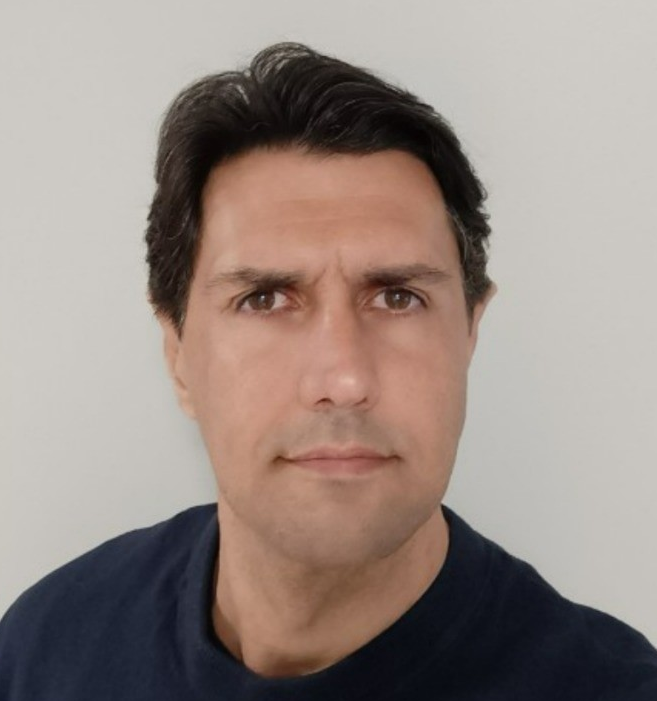
Présentateur: Julie Savage-Fournier, consultant et coach KATA en amélioration continue et optimisation des processus.

Le 22 avril, nous avons eu une excellente conférence avec Julie Savage-Fournier sur la méthode Kata et l’importance de la routine dans l’amélioration continue.

Le Kata propose une pratique délibérée et répétée, capable de transformer des comportements conscients en habitudes durables, tout comme apprendre à conduire ou à cuisiner demande toute notre attention au début, puis devient automatique avec le temps. La méthode équilibre deux modes de fonctionnement du cerveau: l’automatique, celui des habitudes bien ancrées, et le rationnel, celui de l’analyse et de la décision consciente. Bien pratiquer est essentiel: répéter un geste incorrect crée la mauvaise habitude.

Pendant la conférence, nous avons eu plusieurs breakout rooms avec des activités et des discussions en groupe, ce qui a enrichi le débat et mis à l’épreuve nos points de vue dans la pratique.

Le Kata d’amélioration s’articule en quatre étapes: comprendre le défi à long terme, mesurer la situation actuelle avec des données concrètes, définir une condition cible intermédiaire atteignable, et réaliser de petites expériences quotidiennes en apprenant de chaque résultat avant de préparer la suivante. Le cycle est scientifique: on formule une hypothèse, on teste, on compare avec ce qui s’est vraiment passé, et on met à jour nos connaissances.

Le rôle du coach est central dans cette démarche. Plutôt que de donner des réponses, il encourage les bonnes questions. Les mots utilisés ont de l’importance: répéter et capturer les termes exacts du praticien révèle son niveau réel de compréhension et indique où se trouve la prochaine étape à explorer.

Plus qu’un outil, le Kata est une culture, celle d’équipes qui expérimentent, apprennent et progressent ensemble, chaque jour.

Nous remercions ASQ Montreal et Julie pour cette excellente initiative.


WEBINAR SUMMARY “Experimenting to Improve – KATA: A Deliberately Practiced Routine”

Organized by: Ray Dyer, on the Zoom platform.
Speaker: Julie Savage-Fournier, consultant and KATA coach in continuous improvement and process optimization.

On April 22nd, we had an excellent talk with Julie Savage-Fournier on the Kata method and the importance of routine in continuous improvement.

Kata proposes a deliberate and repeated practice, capable of transforming conscious behaviours into lasting habits — just like learning to drive or cook requires full attention at first, then becomes automatic over time. The method balances two modes of brain functioning: the automatic, made up of deeply ingrained habits, and the rational, driven by analysis and conscious decision-making. Practicing correctly is essential: repeating a wrong action builds the wrong habit.

During the talk, we had several breakout rooms with group activities and discussions, which enriched the debate and put our perspectives to the test in a very practical way.

The Improvement Kata is structured around four steps: understanding the long-term challenge, measuring the current situation with concrete data, defining an achievable intermediate target condition, and running small daily experiments — learning from each result before preparing the next one. The cycle is scientific: we form a hypothesis, we test it, we compare it with what actually happened, and we update our knowledge accordingly.

The coach’s role is central to this process. Rather than providing answers, the coach encourages the right questions. The words used matter: repeating and capturing the practitioner’s exact terms reveals their actual level of understanding and points to where the next step needs to be explored.

More than a tool, Kata is a culture — one of teams that experiment, learn, and grow together, every single day.

Thanks to ASQ Montreal and Julie for this excellent initiative.

Si vous étiez présent | Had You Been There Read More »

Voice of The Customer | Voix du Client

By Claudio Sasseron, Responsable VoC, (English text follows)

En avril, nous avons poursuivi nos activités à l’ASQ Montréal en explorant un thème fondamental: l’importance du comportement et de la routine pour l’amélioration de nos processus et de nos vies.

Nous avons découvert que le comportement d’amélioration doit devenir une routine. En analysant nos activités quotidiennes, nous trouvons toujours des opportunités de perfectionnement. Cependant, cette transformation ne commence que lorsque nous changeons notre routine et que nous nous ouvrons à des critiques constructives et à des questions sincères sur le “pourquoi” nous faisons les choses de cette manière.

La perspective et l’observation sont des éléments cruciaux dans ce processus. En écoutant différents points de vue, nous élargissons notre capacité à poser de meilleures questions et à identifier des opportunités pour des changements significatifs.

À la prochaine!

Claudio Sasseron


In April, we continued our activities at ASQ Montreal by exploring a fundamental theme: the importance of behavior and routine in improving our processes and our lives.

We discovered that improvement behavior must become a routine. When we analyze our daily activities, we always find opportunities for enhancement. However, this transformation only begins when we change our routine and open ourselves to constructive criticism and genuine questions about the “why” behind how we do things.

Perspective and observation are crucial elements in this process. By listening to different viewpoints, we expand our ability to ask better questions and identify opportunities for meaningful change.

See you soon!

Claudio Sasseron

Voice of The Customer | Voix du Client Read More »

Student Outreach | Sensibilisation étudiante

Pierre Marquis, Membership Chair Section Montréal, Student Outreach Committee Member (An English text follows)

Activités de sensibilisation des étudiants – avril 2026

Aucune activité de sensibilisation des étudiants n’a eu lieu en avril 2026. Restez à l’écoute pour plus d’informations!

ACADEMIA:

  • Contactez-nous si vous souhaitez organiser un événement avec vos étudiants et discutons de la manière dont nous pouvons aborder le sujet de la qualité dans le monde universitaire.
  • Si vous faites partie d’un établissement d’enseignement et que vous souhaitez avoir plus de visibilité sur les sujets liés à la qualité, contactez Pierre Marquis sur LinkedIn. Nous disposons d’un réseau de conférenciers potentiels qui pourraient vous intéresser.

Student Outreach Activities – April 2026

There were no student outreach activities that took place in April 2026. Stay tuned for more news!

ACADEMIA:

  • Contact us if you are organizing a student event and wish to discuss how to present quality-related topics in the university.
  • If you are part of an educational institution and would like to have more visibility on quality-related topics, please contact Pierre Marquis on LinkedIn. We have a network of potential speakers that may be of interest to you.

Student Outreach | Sensibilisation étudiante Read More »

ASQ Montreal Section – Education Program 2026

Dr David TozerBy Dr. David Tozer, Ph.D., ASQ CQE and SSBB, Education & Audit Chair.

Having ASQ certification gives you an edge in the market and can significantly increase your income.

ASQ Certification often leads to higher paying employment.  The money invested in education and certification increases chances of finding employment quickly in the downsizing environment we live in.

For advice on the program, contact David Tozer at davidtozer@qualitiqua.com or call 514-694-2830.

The following is a list of the certifications and some of the topics covered.

Certified Quality Engineer: Topics include: quality concepts, cost of quality, human resources, team formation and group dynamics, inspection, metrology, sampling, reliability, quality standards, quality audit, statistics, design of experiments, process improvement, liability, and modern management methods for improving quality.

Certified Reliability Engineer: Topics include: reliability management, probability and statistics, modelling and prediction, data collection and analysis, design for reliability, maintainability and availability, reliability testing, product safety and liability.

Certified Software Quality Engineer: Topics include: cost of quality and return on investment, team formation and group dynamics, Life Cycles and Process Models, Systems Architecture, Requirements Engineering, Requirements Management, Audits, Maintenance Management, Software Analysis, Tracking and Controlling, Risk Management, Process and Product Measurement, Analysis and Reporting Techniques, Software Verification and Validation, Software Configuration Management.

 Certified Quality Inspector: Topics include: quality concepts, team formation and group dynamics, geometry, metrology, reading drawings, mechanical processes, statistical process control, inspection, and sampling.

Certified Quality Technician: Topics include: quality concepts, team formation and group dynamics, planning for sampling, problem solving, procedure and instruction preparation, statistical methods, cost of quality.

Certified Calibration Technician: Topics include: testing, calibration, repair, maintenance, environment, electrical, mechanical and electro-mechanical equipment.

Certified Quality Improvement Associate: Topics include: quality tools, improvement projects and teams.

Certified Quality Process Analyst: Topics include: problem solving methods, quality tools, improvement projects and teams,

Certified Master Black Belt: Requirements: Many years experience at the Six Sigma Black Belt level, portfolio of achievements, demonstration of practice and advancing the quality field.

Certified Six Sigma Black Belt: Topics include: quality concepts, cost of quality, enterprise-wide deployment, business process management, project management, team formation and group dynamics, define, measure, analyze, improve, control, lean enterprise, statistics, design of experiments, and design for six sigma.

Certified Six Sigma Green Belt: Topics include: quality concepts, cost of quality, enterprise-wide deployment, business process management, project management, team formation and group dynamics, define, measure, analyze, improve, control, and statistics.

Certified Six Sigma Yellow Belt: Topics include: problem solving using Define, Measure, Analyse, Improve, Control.

Certified Manager of Quality/Organizational Excellence: Topics include: quality concepts, quality planning, customer focus, quality standards, project management, cost of quality, team formation and group dynamics, human resources and improvement. 

Certified Quality Auditor: Topics include: quality concepts, team formation and group dynamics, management responsibility, audit objectives, audit preparation, audit conduct, audit reporting, sampling, and basic statistics.

Certified Food Safety and Quality Auditor: Topics include: auditing for Food Safety, HACCP, managing methods for food safety, reporting on food safety.

Certified Medical Device Auditor: Topics include: standards, regulations, directives, guidance, systems and controls, auditing.

Certified Pharmaceutical GMP Professional: Topics include: human and veterinarian, standards and regulations, raw material management, manufacturing control, pharmaceutical delivery methods, packaging and labeling, auditing,

Certified Construction Quality Manager: Topics include: contract management, quality planning, resource management, documentation, closing the contract, risk management, environment, safety, team building, quality tools and statistical methods.

Certified Supplier Quality Professional: Topics include: supply chain quality, quality assurance plans, scrap reduction, repair and rework cycle time.

ASQ Montreal Section – Education Program 2026 Read More »

World Conference on Quality and Improvement (In-Person)

Michael BournazianBy Michael Bournazian, Eng., Newsletter Editor, ASQ Senior Member, Quality Management Professional, CSSGB with Rolls-Royce

ASQ will be hosting their “WORLD CONFERENCE ON QUALITY AND IMPROVEMENT”. The event will be held May 17-20, 2026 in Orlando, Florida.

For more information and to register, go to the CONFERENCE page.

World Conference on Quality and Improvement (In-Person) Read More »

The Editor’s Corner | Mot de l’éditeur

Michael Bournazian

By Michael Bournazian, Eng., Newsletter Editor, ASQ Senior Member, Quality Management Professional, CSSGB with Rolls-Royce

The second and final supplier conference that I helped organize took place in Birmingham, U.K. from April 28-29, 2026 at the Hyatt Regency in the city center.

The conference was attended by Siemens Energy suppliers from across the United Kingdom and Europe (and even a few from the United States), and once again gave the suppliers a chance to meet directly and engage with customer representatives, discuss current and future business opportunities, and even air the occasional grievance (diplomatically, of course).

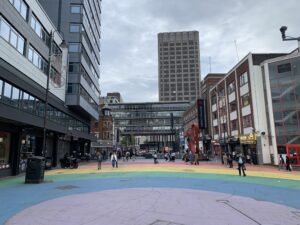
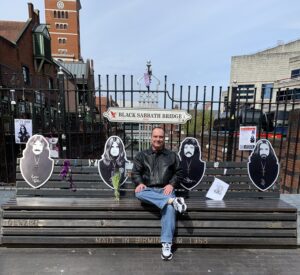
Instead of bore with another set of conference pictures like I did in March, here are some pictures I took in and around Birmingham during conference downtime.


    **********************************************

Any feedback? Click on the link and let me know.

ALSO . . .  Please contact me or any one else on the Leadership team if you would like to:
1) Write and submit an article to be published in the Newsletter.
2) Write a review of one of the upcoming monthly webinars for the “Had You Been There” section.

Thank you, all the best and none of the worst.

The Editor’s Corner | Mot de l’éditeur Read More »

Scroll to Top